The Altons at Doom and Bloom Medical have an article on Labor and Deliver in Austere Settings. Given the topic, it is a longer article with more diagrams and visual aids than usual. Below is an abbreviated excerpt, so please click through the link to read the entire article with visual aids.
Pregnancy and childbirth are usually considered a blessing in modern times. Off the grid, however, the family medic/midwife will be thrown back to the 19th century, when childbirth was associated with a much higher rate of complications than now.
Even if the group has no women of childbearing age at present, at one point or another the medic may be called upon to attend a delivery without the benefits of a modern medical system. This article will focus on a pregnancy at term, classically defined as one that has reached 37-42 weeks from the first day of the last menstrual period. More articles on pregnancy diagnosis, care, and complications can be found at doomandbloom.net.
(Note: I am an actively-licensed Life Fellow of the College of Ob/Gyn and my wife is an actively licensed Certified Nurse Midwife.)
As the woman approaches her due date, several things happen. The fetus begins to “drop”, assuming a position deep in the pelvis. The patient’s abdomen may look different, or the “fundus” (the top of the uterus) may appear lower. As the neck of the uterus (the cervix) relaxes, the patient may notice a mucus-like discharge mixed with a little blood. This is referred to as the “bloody show” and is usually a sign that labor will occur soon, anywhere from the next few hours to a week or so.
If you examine your patient vaginally by gently inserting two fingers of a gloved hand, you’ll notice the cervix is firm like your nose when it is not ripe, but becomes soft like your lips when the due date is approaching. This softening and thinning out of the cervix is called “effacement”
Effacement is measured in percentages. When 50% effaced, the cervix is half its normal thickness and length. At 100% effacement (“completely effaced”), the cervix is paper-thin. Effacement usually occurs before any significant opening of the cervix (also called “dilation”).
Contractions will start becoming more frequent. To identify a contraction, feel the skin on the soft area of your cheek, and then touch your forehead. A contraction will feel like your forehead. False labor, Braxton-Hicks contractions, will be irregular and will go away with bed rest (especially on the left side) and hydration. If contractions are coming faster and more furious even with bed rest and hydration, it’s likely the real thing!
A gush of watery fluid from the vagina will often signify “breaking the water”, and is also a sign of impending labor and delivery. The timing will be highly variable, however, and sometimes urine leakage may confuse the situation. A product called “nitrazine paper” will turn a bright blue when it touches amniotic fluid due to its high Ph. A bright blue result (nitrazine positive) usually verifies that the bag of water is broken. If you have a microscope in the hospital tent, a little amniotic fluid on a slide will reveal fern-like crystals. This is called “ferning” and is more solid proof of membrane rupture than nitrazine positive tests.
There are three stages of labor:
FIRST STAGE (LATENT PHASE)
Latent phase
The first stage is the longest part of labor: lasting up to 20 hours or more. It begins when your cervix starts to dilate and efface, and is separated into a latent phase and an active phase. The first stage is considered complete when the cervix reaches 10 centimeters and is so effaced that you can barely identify it.
The latent phase is when labor begins. False labor has been ruled out and contractions are becoming stronger, more regularly, and in greater frequency. They may also last longer (60-90 seconds). The contractions cause your cervix to dilate and efface. In latent phase, dilation to about 4 centimeters or so often progresses slowly.
The mother should be given as much freedom to walk, sit, practice breathing techniques, or do other activities as she can handle. Keeping her occupied and moving is a good way to move the process along. A soak in a warm tub or shower is helpful if the water hasn’t broken. Oral hydration and small meals are also acceptable.
Once the cervix reaches 4 centimeters of dilation, a vaginal exam will allow you to place two (normal-sized) fingertips in the cervix. You’ll feel something firm; this is the baby’s head. In general, however, vaginal exams are invasive and shouldn’t be performed more often than, perhaps, every two hours.
FIRST STAGE (ACTIVE PHASE)
When the cervix reaches 5 centimeters or so of dilation, labor enters the active phase. Contractions get even stronger and spacing becomes closer. As the baby’s head descends, the mother may notice back pressure and bloody vaginal discharge. If the water membrane hasn’t ruptured, it will likely happen during this time.
Cervical dilation in active phase speeds up to about a centimeter an hour, although women who have had children may go much faster. Breathing techniques may be needed to manage discomfort during contractions (you won’t have epidural anesthesia or strong pain meds off the grid). Other strategies include:
-Changing positions. Some women prefer being on hands and knees to improve back pain.
-Walking between contractions with a helper.
-Emptying the bladder often.
-Gently massaging the mother’s back.
It may help to remind the mother that each contraction brings her closer to having a baby in her arms. Despite that, don’t encourage her to push until the cervix is completely dilated and the baby’s head has descended into the pelvis.
SECOND STAGE
Various position to help with contractions
The second stage of labor begins when the cervix is fully dilated and ends when the baby is born. This stage is usually completed within two hours, but is dependent on the strength and frequency of contractions. First-time mothers take longer than those who have had children. Those who have delivered several children may proceed through this stage very quickly.
At this point, the mother will likely feel a strong urge to push. Encourage rest between contractions. When pushing, different positions may work for different mothers. Try squatting, lying on their side with a leg raised, or even hands and knees. The body should “curl into” the push as much as possible, almost exactly like have a bowel movement.
The delivery of a baby is best accomplished with the help of an experienced midwife or obstetrician, but those professionals will be hard to find in survival settings. If there is no chance of accessing modern medical care, you must prepare to perform the delivery…(continues)
Red cells primarily consist of a protein made in bone marrow called hemoglobin. In men, anemia is typically defined as a hemoglobin level of less than 13.5 gram/100 ml and in women as hemoglobin of less than 12.0 gram/100 ml.
Anemia happens for different reasons. Survivors in a prolonged disaster setting are unaccustomed to being off the grid, and could easily injure themselves and bleed heavily from a wound. This is the most sudden cause of severe anemia, but it can also occur from lack of production due to malnutrition or medical conditions that destroy red blood cells or shortens their life span (normally, about 115-120 days).
Depending on the cause, signs and symptoms of anemia may vary. If your patient’s case is mild and they’ve had it for a while, their body may have accommodated to the extent that they might not have symptoms. If they do occur, they might include:
Fatigue
Weakness
Headache
Pale or yellowish skin
Cold hands and feet
pale inner eyelid seen in anemia
Simple blood tests could identify the problem, but won’t be available off the grid. Just checking under the lower eyelid, however, may reveal a hemoglobin deficiency. Normally, the inside of the eyelid is light red or pink; in anemia, it’s very pale or yellow. Worse cases can cause major symptoms:
Irregular or fast heart rates
Shortness of breath
Dizziness or lightheadedness
Chest pain
The worse the anemia, the less productive your group member will be, so it’s important to do everything possible to treat it and increase the hemoglobin level.
Iron deficiency is the most common cause of anemia. It’s often seen in women who are or were recently pregnant. Heavy periods will also cause iron-deficiency anemia. Treatment usually involves oral supplements like ferrous sulfate or ferrous gluconate. The usual dose is 325 mg (65 mg of elemental iron) three times a day. Some complain of intestinal issues at that dose: dark stools, constipation, nausea, and cramps. This can take a lot out of a person, so consider a lower dose or every other day dosing in those afflicted. Be aware that caffeinated beverages may delay iron absorption, while vitamin C at 500 mg promotes it.
In addition to iron, your body needs folate (vitamin B9) and vitamin B12 to produce enough healthy red blood cells. A diet lacking in these and vitamin C can impair the production of red cells. Some people get enough B12 but can’t absorb it due to an autoimmune reaction, causing a condition called “pernicious anemia”. Special B12 injections are given for this and other conditions.
Anemia can also be related to inflammation. Certain diseases, such as cancers like leukemia and lymphoma, AIDS, rheumatoid arthritis, kidney disease, Crohn’s disease and other inflammatory ailments can lower production of red blood cells or destroy them. For these, you have to treat the main problem, a major challenge for the off-grid medic.
Another group of anemias are known as “hemolytic” (blood disintegraters). They develop when red blood cells are destroyed faster than bone marrow can replace them. You can inherit a hemolytic anemia, or you can develop it later in life.
Sickle cell anemia (sometimes called “sick-as-hell” anemia) is a type of hemolytic anemia. It’s caused by a defective form of hemoglobin that forces red blood cells to assume an abnormal (sickle) shape instead of a disc. These irregular blood cells die prematurely, resulting in a chronic shortage. Patients, often African Americans, go into what we call “crises” that can be very painful when these abnormally shaped cells clog small blood vessels.
Hemolytic anemias can also be caused by certain drugs, which can cause the immune system to mistake your own red blood cells for foreign substances. The body responds by making antibodies to attack and destroy its own cells. Make sure your healthcare provider knows if you take any of these medicines:
Cephalosporins like Keflex
Fluoroquinolones like Levaquin
Penicillins
Nitrofurantoin (Macrodantin) and phenazopyridine (Pyridium; used for bladder infections)
Levodopa for Parkinson’s disease
Dapsone for skin disease
Quinidine for irregular heartbeats
Methyldopa for high blood pressure
Aspirin, ibuprofen, and other nonsteroidal anti-inflammatory drugs
Dietary sources of iron may be helpful, so adjust your food storage and survival garden goals accordingly. Eating a diet high in meats, especially red meats, may help. Nonmeat iron sources include:
Spinach and other dark green leafy vegetables
Peas and certain other legumes like chickpeas
Beans
Dried fruits, such as prunes, raisins, and apricots
Some foods are Iron-fortified, like certain cereals and breads. Many also have B12 added, as well. Other food sources of B12 are:
Meats, such as liver, beef, fish, and poultry
Eggs
Dairy products
For folic acid:
Spinach and other dark green leafy vegetables
Black-eyed peas and other dried beans
Beef liver
Eggs
Bananas, oranges, and related fruits and juices
As mentioned earlier, vitamin C is a tool to help absorb iron. Good sources of vitamin C can be found in many fruits as well. Fresh and frozen fruits, vegetables, and juices usually have more vitamin C than canned ones. Vegetables rich in vitamin C include tomatoes, peppers, broccoli, brussels sprouts, potatoes, and spinach.
The Altons at Doom and Bloom Medical talk about The Case for Fish Antibiotics and their viability for human use in emergency cases when there is no medical system to which to resort.
More than a decade ago, I was the first physician to advocate for the storing of antibiotics marketed for tropical fish and pet birds as a potential tool for the medic in long-term survival settings. Although I never recommended them for use in situations where there is a functioning medical infrastructure, I believe, despite criticism, that having a supply of these on hand will save lives, otherwise lost from bacterial infections, in a prolonged off-grid disaster scenario.
Accumulating over-the-counter drugs for the medic’s storage may be a simple enterprise, but not prescription medicines. Even with a sympathetic physician, the ability to obtain the quantity needed to be an effective caregiver for a survival community is limited, at best. Antibiotics are one example of life-saving medications that would be in short supply off the grid.
The inability to have antibiotics at hand may cost some poorly prepared individuals their lives in a survival situation. There will be a much larger incidence of infection when people have to fend for themselves and are injured as a result. Any strenuous activities performed that aren’t routine in normal times can lead to injuries that break the skin. These wounds will, very likely, be dirty. Within a relatively short time, they might begin to show signs of infection in the form of redness, heat, and swelling.
Treatment of such infections at an early stage improves the chance they will heal quickly and completely. However, many rugged individualists are likely to “tough it out” until their condition worsens and the infection spreads to their blood. If the medic has ready access to antibiotics, the problem can be nipped in the bud before a tragic outcome occurs.
Some solutions for medical issues off the grid without medical help, like fish antibiotics, may save lives
The following is contrary to standard medical practice; it’s a strategy that is appropriate only when help is not on the way. If there are modern medical resources available to you, seek them out.
Antibiotic Options
Small quantities of antibiotics can be obtained by anyone willing to tell their doctor that they are going out of the country and would like to avoid “Travelers’ Diarrhea” or other infections common at their destination. Likewise, asking for medications that must be taken early in an infection, like oseltamivir (Tamiflu) for influenza, is a reasonable strategy; after all, not everyone can get in to see their doctor right away, and the antiviral Tamiflu is most effective in the first 48 hours after symptoms begin.
(Note: Tamiflu is an anti-viral and only works against influenza (and not COVID-19. Antibiotics have no effect against viruses at all.)
This approach is fine for one or two courses of therapy, but a long-term alternative is required for the survival caregiver to have enough antibiotics to protect a family or survival group. In the aftermath of a disaster, some deaths may be unavoidable, but bacterial-related deaths are unacceptable. This concern led us to what we believe is a viable option: aquarium and avian antibiotics.
Betta splendens
For many years, we have kept tropical fish in aquaria and tilapia in ponds. We also have parrots as pets. After years of using aquatic medicines on fish and avian medicines on birds, we decided to evaluate these drugs for their potential use off the grid. They seemed to be good candidates: All were widely available, available in different varieties, and didn’t require a medical license or prescription.
A close inspection of a number of these products found exactly one ingredient: the drug itself, identical to those obtained by prescription at the local pharmacy. A bottle labeled aquatic amoxicillin, for example, had as its sole ingredient amoxicillin, which is an antibiotic commonly used in humans. Unless they’re listed on the bottle, there are no additional chemicals to makes your scales shinier or your feathers more colorful.
Any reasonable person might be skeptical about considering the use of aquarium antibiotics for humans, even in disaster settings. Those things are for fish, aren’t they? Yet, a number of them only come in dosages that correspond to pediatric or adult human dosages.
The question became: Why should a one-inch guppy require the same dosage of, say, amoxicillin as a 180-pound adult human? We were told that it was due to the dilution of the drug in water. However, at the time, there were few instructions that tell you how much to put in a ½ gallon fishbowl as opposed to a 200-gallon aquarium (they have them now, however).
Finally, the “acid test” was to look at the pills or capsules themselves. The aquatic or avian drug had to be identical to that found in bottles of the corresponding human medicine. For example, when (in 2010) we opened a bottle of FISH-MOX FORTE 500 mg distributed by Thomas Labs and a bottle of Human Amoxicillin 500mg (DAVA pharmaceuticals), we found:
human amoxicillin by DAVA pharmaceuticals
Human Amoxicillin: Red and Pink Capsule, with the letters and numbers WC 731 on it.
Fish amoxicillin (the brand is now defunct)
FISH-MOX FORTE: Red and Pink Capsule with the letters and numbers WC 731 on it.
There are still a number of examples today, including:
fish versions of different antibiotics
Appearance of same antibiotics made by human pharmaceutical companies
Logically, then, it makes sense to believe that they are essentially identical, manufactured in the same way that human antibiotics are. Further, it is our opinion that they are probably from the same batches; some go to human pharmacies and some go to veterinary pharmacies or bottling companies. Over the years, readers in the human and veterinary pharmacy fields have confirmed this.
This is not to imply that all antibiotic medications met the criteria. Many cat, dog, and livestock antibiotics contain additives that might cause ill effects on a human being. Look only for those veterinary drugs that have the antibiotic as the sole ingredient.
There has been significant controversy regarding these medicines as some have chosen to use them in normal times against our recommendations, which only apply to long-term survival scenarios. As a result, the original distributor of these drugs, Thomas Labs, eventually stopped production in response to political pressure. For now, other brands with names like FISH-AID and others have, at the time of this writing, filled the void by offering a number of veterinary equivalents online. Expect volatility in terms of availability as a number of these drugs are placed under increasing government control in the future.
VETERINARY “EQUIVALENTS”
Having antibiotics in quantity will help the medic save lives in survival scenarios
Here is a list of antibiotics that are commercially available in aquatic or avian form as of the writing of this article:
AMOXICILLIN, (Amoxicillin 250 mg and 500 mg)
AMPICILLIN 500 MG
PENICILLIN 250 mg and 500 mg
CEPHALEXIN 250 mg and 500 mg
METRONIDAZOLE 250 mg and 500 mg
CIPROFLOXACIN 250 mg and 500 mg
CLINDAMYCIN 150 mg
AZITHROMYCIN 250 mg
LEVOFLOXACIN 500 mg
SULFAMETHOXAZOLE/TRIMETHOPRIM 400 mg/80 mg and 800 mg/160 mg
DOXYCYCLINE 100 mg
MINOCYCLINE 50 mg and 100 mg
FLUCONAZOLE (anti-fungal) 100 mg
Most of the above come in lots of 30 to 100 tablets which can be bought in multiples. This makes them eligible for the survival medic to stockpile for prolonged disaster events. As recently as December 2020, we were able to purchase several without a prescription.
Antibiotics are not candy; they must be used judiciously in survival scenarios
Of course, anyone could be allergic to one or another of these antibiotics, but it would be a very rare individual who would be allergic to all of them. It should be noted that there’s a 10% cross-reactivity between Penicillin drugs and cephalexin (Keflex). If you are allergic to penicillin, you could also be allergic to Keflex. For those who can’t take penicillin, there are suitable safe alternatives. Any of the antibiotics below should not cause a reaction in a patient allergic to Penicillin-family drugs:
Doxycycline
Metronidazole
Tetracycline
Ciprofloxacin
Clindamycin
Sulfamethoxazole/Trimethoprim
Levofloxacin
Minocycline
This one additional fact: We have personally used some (not all) of these antibiotics as veterinary equivalents on our own persons without any ill effects. Whenever we have used them, their effects have been indistinguishable from human antibiotics.
Having said this, we recommend against self-treatment in any circumstance that does not involve the complete long-term loss of access to modern medical care. This is a strategy to save lives in a post-calamity scenario only.
Finding Out More
Although you might think that any antibiotic will work to cure any disease, specific antibiotics are used at specific doses for specific illnesses. The exact dosage of each and every medication in existence for each and every disease is well beyond the scope of this article. It’s important, however, to have as much information as possible about medications that you plan to store.
This information is available in a number of drug reference manuals (with images) in both print and digital form. Online sources such as drugs.com or rxlist.com are other useful sources, but we recommend a hard copy for your medical library in case a disaster affects the internet.
Your manual should list medications that require prescriptions as well as those that do not. Under each medicine, you will find the “indications”, which are the medical conditions that the drug is used for. Also listed will be the dosages, risks, side effects, and even how the medicine works in the body. It’s okay to obtain a book that isn’t the latest edition, as information about common drugs doesn’t often change a great deal from one year to the next. Try to obtain a recent copy, though, as occasional changes do occur.
For those skeptical of our opinion on this topic, we ask you to imagine this circumstance: A disaster has occurred that has knocked you off the grid and sent you on the road. Your family is performing activities of daily survival like chopping wood for fuel, something they’ve never done before. Your son or daughter cuts themselves and, in a day or so, the wound becomes red, hot, and swollen. There may be the beginnings of a fever. You only have a bottle of “fish” amoxicillin. Would you use it? We’ll let you decide.
Chuck at The Medic Shack talks about how he and others have made changes to the way that they teach prepper medicine as a result of effects from the current pandemic in Learning Prepper Medicine in a Pandemic.
TIMELINE; UNITED STATES. November-2019-January 2020
November 2019. Thanksgiving day. The world is “normal” In America we cooked, feasted and sat down to the “Big Game.
December 2019 Christmas Day. The world changed. Most here in America didn’t notice. A few of us preppers were chatting on Signal, Wickr, and other groups about this new bug in China. The rest of the US was opening presents , feasting and sitting down for the Big Game.
January 2020. The Pepper side of the internet EXPLODED with pages on the Novell Coronavirus 2019. We published our first blog about it in January. The rest of America recovered from the obligatory New Years hangover. Watched the game and some started saying Hey, WTF is this virus that is taking out the hippies in Seattle?
The Change in Prepper Medicine.
Over the last year, we have changed. No not the change in the country. Medicine has changed. How has going to your doctor changed? Getting a procedure done in a hospital? Buying medicine at the local drug store? “Western” or a better turn is Modern medicine has changed, and may never totally go back to what it was. Prepper or Survival medicine has changed also. What we used to teach in person, we now do via the web. Mail order vs in person buying. The demand for help in fighting this virus from a alternative manner has skyrocketed. That has both helped and hurt people. Help by us with the dedication, morals and the skill to do the very best for people. And hurt by those of us that are more interested in the dollar than our job a healers.
What to watch for.
First off watch out for the wild claims. Way back in 2014 Young Living Essential Oil consultants NOT Young Living itself, had ads on websites and social media that the FDA found that some claimed that Young Living proprietary blend of oils would “cure” Ebola.
Now I’m no fan of the FDA, And certainly no fan of Young Living oils.
*Point of clarification here. I am a fan of EO’s My wife is getting pretty damn good with them. Also the oils made by Young Living are good oils. I am just not a fan of the company, nor SOME of the distributors/consultants. Some that sell Young Living are friends of mine. I feel that there are comparable and possibly better oils at better prices from other places with out the sales pitch and sales pressure that SOME consultants use.
TMS Live
Y’all may remember the episode Cat and I did on this exact topic I found the archive and listened to it. And 6 years later I still agree with Cat’s and my castigation of it. Young Living and the “Oil Dropper” were both wrong. I hate to say that the FDA was correct, but this time they were. But that period of being right, has made it REAL tough to do what I do.
What happened
And after 6 years of reading and re-reading the warning letter, I am torn on the FDA’s letter. Part says YES!!!! It’s about time! Another part says, Hmmm, I sometimes use similar descriptions as the consultants use. Wording is everything! The FDA is murder on anything that implies that an oil or herb compound stick tool or ANYTHING not approved by te FDA can treat or cure any disease. The “Act” Or known as 201(g)(1)(B) of the Federal Food, Drug, and Cosmetic Act (the Act) [21 U.S.C. § 321(g)(1)(B) says ANY item that says or is implied they are intended for use in the diagnosis, cure, mitigation, treatment, or prevention of disease.
What we can do.
This make it very difficult for the herbalist, alternative medicine practitioner to help people overcome illness and injury. Remember we are not doctors. We cannot treat, prescribed or give any medical advice. In the current state of affairs of the country, that is the law of the land. We are teachers of the body. We teach people to heal themselves with what they have on hand.
It sounds like we are just giving up, We’re not. We’re just taking a different approach to the same ends.
“Since I have become an avid Young Living essential oil user I have learned all about the anti-microbial properties of so many oils, including ANTI-VIRAL constituents in many of our essential oils.”
“Viruses (including Ebola) are no match for Young Living Essential Oils”
Under the subheading, “Top Oil Choices for Viruses”:
“Top on my list is Thieves. Thieves is highly anti-microbial . . . it could help against Ebola.”
“Ebola Virus can not live in the presence of cinnamon bark (this is in Thieves) nor Oregano.” [sic]
“ImmuPower by Young Living would be a top choice as well. ImmuPower is a blended oil containing (oregano, clove, frankincense, ravintsara, cistus, mountain savory and hyssop). Every single one of these individual oils has anti-viral properties.”
The first two entries are bad descriptions The out right say the oils WILL help with viruses. A alternative medicine person cannot say XYZ oik will do PDQ Thing IE including ANTI-VIRAL constituents in many of our essential oils. And “Viruses (including Ebola) are no match for Young Living Essential Oils”
Now the next item. Hell I’ve used descriptors like this one:
Top on my list is Thieves. Thieves is highly anti-microbial . . . it could help against Ebola.”
Yes, it is a known fact that the individual oils in Thieves oil are anti-microbial
This study shares the oils and what bacteria were killed by the oils.
Hell I’ve said the same thing, and have since taken stuff like that off of my websites.
And the end of the sentence, “ it could help against Ebola.” It sounds harmless enough, and it really is. And its wrong. This person made the statement of It could help against Ebola. This falls under the FDA’s Mitigation of disease. The “it could help against” is a mitigation of care.
Well, what do we do now?
My partner in crime and I have talked about this. Teach. By teaching the use and actions of herbs and other non traditional methods we eliminate the “mitigation, treatment and curing of disease or illness”, by moving it from the here and now to the “Hypothetical” And/or Educational aspects of medicine.
Education is the key
Add to the education is the list of supplies needed. Using this method we can supply to the two most valuable things for a prepper herbalist. The knowledge. And quality supplies at fair prices, or links to get the supplies from elsewhere.
To start this off Cat Ellis is offering her Herbal Skills Intensive course. For the folks who follow and read Pagan Preparedness there is a $50.00 limited time coupon code. This is fantastic class. This gives you the grounding you need to start healing yourself and your family. In the check out type in TMS50 for $50.00 off the course price. And coming real soon, The Medic Shack in conjunction with The Herbal Prepper will be re-working and improving our Wound Care in Austere Environments. Totally revamped we can’t wait to get it finished and online for you!
And Finally.
I know I’ve said this in the past. I apologize for the lack of posting on a regular basis. I’m trying! 🙂 I will say I will do my very best to get more content on line, get our classes going, both live and virtual. And tp be more responsive to comments. To help with that, email me direct at Medic AT Themedicshack.net My spam filters are set pretty high on that account. Y’all would not believe the crap I get sent. From a lawyer in Bumfukistant that has USD 29 million waiting for my SSAN and bank information, to ED prevention, to how my car warranty on my 2001 Jeep Cherokee has expired! ( I really need to jump on that!) Email me and I’ll put your question up on the web page.
OH!! One more thingMedic AT Themedicshack.net
Facebook for The Medic Shack is about done. I’m permabanned from FB on both my accounts. I have partners in crime that will post to The Medic Shack FB page. That being said, Find us on Mewe at The Medic Shack on Mewe
The Altons at Doom and Bloom Medical have an article about what to do When a Person Faints. I once fainted while standing in early morning PT formation in the Army, probably from a combination of low blood sugar and low hydration. Well, I vomited and then fainted, so I hit at least one of the warning signs which the Altons mention. I think I also hit “momentary lack of attention.” After questions from a medic and a drink of water, I was able to continue with PT as usual with no further issues. Anyone can faint, but sometimes more rest is better.
Even 6’4″ military men may experience fainting
We often write about medical strategies when a society collapses, but, sometimes, an individual may collapse as a result of fainting (also called “syncope”). It usually occurs when a drop in blood pressure (“hypotension”) doesn’t allow enough oxygenated blood to reach the brain.
Someone who has fainted must be differentiated from the person who has “seized” from epilepsy. Fainters won’t exhibit jerky movements as in a Grand Mal seizure or stare into space as in a Petit Mal seizure. Also, a person who has had a seizure tends to be difficult to rouse for a period of time. This is called a “post-ictal” state and may last for 30 minutes or so before it resolves on its own. Most people who have only fainted will regain alertness relatively soon after the episode.
(Note: Grand Mal and Petit Mal are no longer used in the latest nomenclature of seizures. They changed the whole system in 2017, but most people still know them by these names.)
There are a few signs that a person is close to fainting:
Cold, clammy skin
Nausea or vomiting
Complaints of feeling lightheaded or weak
A sensation of spinning
Tunnel vision or blurriness
Yawning
Slow pulse
Momentary lack of attention
(Note: More than once, I’ve had a surgical intern or other assistant faint dead away during a grueling and long surgical procedure.)
Survival scenarios almost guarantee the medic will be confronted with a person who has fainted at one point or another. Simple activities of survival, such as long hikes to retreats, work sessions in hot weather, and hiding out in hot shelters without climate control, can make certain group members prone to syncope. In addition, skipped meals and dehydration will put many of your people at risk.
Low blood sugar and various other medical conditions can cause fainting. Good hydration and appropriate dietary intake will prevent most episodes. Glucose or honey packets, for example, can help raise a person’s blood sugar that has gone dangerously low. Have some in your kit. Others may pass out due to irregular heart rhythms, extreme stress, or even pregnancy.
If someone feels as if they are about to collapse, they should sit down and put their head down between their knees to increase blood flow to the brain. If you see someone who is fainting from a standing position, hold and gently lower them to the ground on their back. In normal times, of course, you would have someone call emergency medical services as soon as possible.
If help isn’t coming, it’s up to you to quickly evaluate the victim. If the patient fell to the floor, there is always the possibility of a head injury. Evaluate for obvious wounds and rule out concussion.
A person who has had a simple fainting spell will usually be breathing normally and have a steady, regular pulse. Raise their legs about 12 inches off the ground and above the level of their heart and head. This position will help increase blood flow to the brain. Assess the patient for evidence of trauma, bleeding, or signs of a seizure. If bleeding, apply direct pressure to the wound. If no pulse or breathing, begin CPR.
After the first few seconds, you have determined that the victim is breathing, has a pulse, and is not bleeding. Tap on their shoulder (some say to gently shake) and ask in a clear voice “Can you hear me?” or “Are you OK?”. Loosen any constricting clothing and make sure that they are getting lots of fresh air by keeping the area around them clear of crowds. Look for a medical alert bracelet that may give clues as to their health issues. If you are in an area that is hot, fan the patient or carefully carry them to a cooler area. Cool compresses may be helpful.
If you are successful in arousing the patient, ask them if they have any pre-existing medical conditions such as diabetes, heart disease or epilepsy. Stay calm and speak in a reassuring manner. People oftentimes are embarrassed and want to brush off the incident, but be aware they are still at risk for another fall.
Once the victim is awake and alert (Do they know their name? Do they know where they are? What year it is?), you may have the patient sit up slowly if they are not otherwise injured. Don’t let them get up for 15 minutes or so, even if they say that they are fine. If you are not in an austere setting, emergency medical personnel are on the way; wait until they arrive before having the patient stand up. Off the grid, however, you will have to make a judgment as to whether and when the victim is capable of returning to normal activities. A period of observation would be wise.
As dehydration and low blood sugar are possible causes, some oral intake may be helpful during recovery. This is appropriate only if it is clear that they are completely conscious, alert, and able to function. Test their strength by having them raise their knees against the pressure of your hands. If they are weak, they should continue to rest. Close monitoring of the patient will be very important, as some internal injuries may not manifest for hours.
Asthma is a chronic condition that limits your ability to breathe. It affects the tubes that transport air to your lungs, collectively known as the “airways”. Asthma affects 20 million Americans and is the most common cause of chronic illness in children. Off the grid, increased stress and exposure to new substances will only makes things worse. The family medic must know how to recognize and treat symptoms with limited supplies.
When people with asthma are exposed to a substance to which they are allergic (an “allergen”), airways become swollen, constricted, and filled with mucus. As a result, air can’t pass through to reach the part of the lungs that absorbs oxygen (the “alveoli”).
During an episode of asthma, you will develop shortness of breath, tightness in your chest, and start to wheeze and cough. This is referred to as an “asthma attack”. In rare situations, the airways can become so constricted that a person could suffocate from lack of air.
Here are common allergens that trigger an asthmatic attack:
Pet or wild animal dander
Dust or the excrement of dust mites
Mold and mildew
Smoke
Pollen
Severe stress
Pollutants in the air
Some medicines
Exercise
Yes, you can trigger an asthmatic attack with exercise. This doesn’t mean you shouldn’t stay in shape. Exercise strengthens lungs, which helps improve asthma control.
There are many other myths associated with asthma; the below are just some:
Asthma is contagious. (False)
You will grow out of it. (False; it might become dormant for a time but you are always at risk for it re-emerging.)
It’s all in your mind. (False; although may trigger it, it’s very real.)
If you move to a new area, your asthma will go away. (False; it may go away for a while, but eventually you will become sensitized to something else and it will likely return.)
Asthma should only be treated when an episode occurs. (False; asthma is best treated with constant medication to reduce frequency and severity of attacks. Encourage your asthmatic group members to stockpile meds.)
You will become addicted to your asthma meds. (False; inhalers and oral asthma drugs aren’t addictive. It’s safe to use them on a regular basis.)
Here’s are two “true” myths: Asthma is, indeed, hereditary. If both parents have asthma, you have a 70% chance of developing it compared to only 6% if neither parent has it. Also, asthma does have the potential to be fatal, especially if you are over 65 years old.
(Note: In the 1980s, I treated a pregnant patient who had the worse type of asthma attack, called “status asthmaticus.” Once she improved somewhat, she insisted on going home against my advice to care for her other children. She returned that night in an irreversible state of oxygen loss. Both mother and baby perished.)
PHYSICAL SIGNS AND SYMPTOMS OF ASTHMA
Asthmatic symptoms may be different from attack to attack and from individual to individual. Some of the symptoms are also seen in heart conditions and other respiratory illnesses, so it’s important to make the right diagnosis. Symptoms may include:
Cough
Shortness of Breath
Wheezing (usually of sudden onset)
Chest tightness (sometimes confused with coronary artery spasms/heart attack)
Rapid pulse rate and respiration rate
Anxiety
Besides these main symptoms, there are others that are signals of a life-threatening episode. If you notice that your patient has become “cyanotic”, they are in trouble. Someone with cyanosis will have a blue/gray color to their lips, fingertips, and face.
Cyanosis
You might also notice that it takes longer for an asthmatic to exhale than to inhale. As an asthma attack worsens, wheezing may take on a higher pitch. As the attack worsens, the patient suffers a lack of oxygen that makes them confused and drowsy; they may possibly lose consciousness.
Asthma vs Heart Attack
As an asthma attack may resemble a heart attack, the medic should know how to tell the difference. For Asthma is usually improved by using fast-acting inhalers, a strategy that doesn’t offer relief from a heart attack or other cardiac events. Cardiac patients often have swelling of the lower legs, also called “edema.” This is rarely seen with asthma. Asthmatic also don’t have arm and jaw pain that is often seen with heart attacks. Those with a history of cardiac chest pain improve with the angina drug nitroglycerin.
Although both may be associated with shortness of breath, few will confuse the symptoms of COVID-19 with asthma, but suffice it to say that COVID-19 is associated with fever and loss of taste or smell.
DIAGNOSING ASTHMA
On physical exam, use your stethoscope to listen to the lungs on both sides. Make sure that you listen closely to the bottom, middle, and top lung areas as described in the section on physical exams.
In a mild asthmatic attack, you will hear relatively loud, musical noises when the patient breathes. As the asthma worsens, less air is passing through the airways and the pitch of the wheezes will be higher and perhaps not as loud. If no air is passing through, you will hear nothing, not even when you ask the patient to inhale forcibly. This person may become cyanotic.
typical peak flow meter
Sometimes a person might become so anxious (a “panic attack”) that they become short of breath and may think they are having an asthma attack. To resolve this question, you can measure how open the airways are with a simple diagnostic instrument known as a peak flow meter. A peak flow meter measures the ability of your lungs to expel air, a major problem for an asthmatic. It can help you identify if a patient’s cough is part of an asthma attack or whether they are, instead, having a panic attack or other issue.
To determine what is normal for a member of your group, you should first document a peak flow measurement when they are feeling well. Have your patient purse their lips over the mouthpiece of the peak flow meter and forcefully exhale into it. Now you know their baseline measurement. If they develop shortness of breath, have them blow into it again and compare readings.
In moderate asthma, peak flow will be reduced 20-40%. Greater than 50% is a sign of a severe episode. In a non-asthma related cough or upper respiratory infection, peak flow measurements will be close to normal. The same goes for a panic attack; even though you may feel short of breath, your peak flow measurement is still about normal.
TREATMENT OF ASTHMA
Asthma bronchodilator in inhaler
The cornerstones of asthma treatment are the avoidance of “trigger” allergens, as mentioned previously, and the maintenance of open airways. Medications come in one of two forms: drugs that give quick relief from an attack and drugs that control the frequency of asthmatic episodes over time. In panic attacks, however, these medicines are ineffective; treatment for anxiety is discussed elsewhere in this book.
Quick relief asthma drugs include “bronchodilators” that open airways, such as Albuterol (Ventolin, Proventil), levalbuterol (Xopenex HFA), among others. These drugs should open airways in a very short period of time and give significant relief. These drugs are sometimes useful for people going into a situation where they know they will exposed to a trigger, such as before strenuous exercise. Don’t be surprised if you notice a rapid heart rate on these medications; it’s a common side effect.
If you find yourself using quick-relief asthmatic medications more than twice a week, you are a candidate for daily control therapy. These drugs work, when taken daily, to decrease the number of episodes and are usually some form of inhaled steroid. There are long-acting bronchodilators as well, such as ipratropium bromide (Atrovent HFA). Another family of drugs known as Leukotriene modifiers prevents airway swelling before an asthma attack even begins. These are usually in pill form and may make sense for storage purposes. The most popular is Montelukast (Singulair).
Often, medications will be used in combination, and you might find multiple medications in the same inhaler. The U.S. pharmaceutical Advair, for example, contains both a steroid and an airway dilator. Remember that inhalers lose potency over time. Expired inhalers, unlike many drugs in pill or capsule form, have less effect than fresh ones. Physicians are usually sympathetic to requests for extra prescriptions from their asthmatic patients.
NATURAL TREATMENT OF ASTHMA
Ginger
In mild to moderate cases of asthma, you might consider the use of natural remedies. Some involve breathing exercises:
Pursed-lip breathing: This slows your breathing and helps your lungs work better. Breathe in slowly through your nose for two seconds. Then position you lips as if you were whistling, and breathe out slowly through your mouth for four seconds.
Abdominal breathing: Similar to pursed-lip breathing but focuses on using the diaphragm more effectively. With your hands on your belly, breathe as if you were filling it with air like a balloon. Press down lightly on the belly as you slowly exhale.
There are also a number of substances that have been reported to be helpful:
Ginger: A study published in the American Journal of Respiratory Cell and Molecular Biology indicates that ginger is instrumental in inhibiting chemicals that constrict airways. Animal tests find that extracts of ginger help ease asthmatic symptoms in rodents. Use as a tea or extract twice a day.
Ginger and Garlic Tea: Add three or four minced garlic cloves in some ginger tea while it’s hot. Cool it down and drink twice a day. Some report a benefits from just the garlic.
Other herbal teas are thought to help: Ephedra, Coltsfoot, Codonopsis, Butterbur, Nettle, Chamomile, and Rosemary all have been used in the past to relieve asthmatic attacks.
Caffeine: Black unsweetened coffee and other caffeine-containing drinks may help open airways. Don’t drink more than 12 ounces at a time, as coffee can dehydrate you. Interestingly, coffee is somewhat similar in chemical structure to the asthma drug Theophylline.
Eucalyptus: Essential oil of eucalyptus, used in a steam or direct inhalation, may be helpful to open airways. Rub a few drops of oil between your hands and breathe in deeply. Alternatively, a few drops in some steaming water will be good respiratory therapy.
Honey: Honey was used in the 19th century to treat asthmatic attacks. Breathe deeply from a jar of honey and look for improvement in a few minutes. To decrease the frequency of attacks, stir one teaspoon of honey in a twelve-ounce glass of water and drink it three times daily.
Turmeric: Take one teaspoon of turmeric powder in 6-8 ounces of warm water three times a day.
Mustard Oil Rub: Mix mustard oil with camphor and rub it on your chest and back. There are claims that it gives instant relief in some cases.
Gingko Biloba leaf extract: Thought to decrease hypersensitivity in the lungs; not for people who are taking aspirin or ibuprofen daily, or anticoagulants like warfarin (Coumadin).
Lobelia: Native Americans actually smoked(!) this herb as a treatment for asthma. Instead of smoking, try mixing tincture of lobelia with tincture of cayenne in a 3:1 ratio. Put 1 milliliter (about 20 drops) of this mixture in water at the start of an attack and repeat every thirty minutes or so
Further research is necessary to determine the effectiveness that some of the above remedies have on severe asthma, so take standard medications if your peak flow reading is 60% or less than normal.
Don’t underestimate the effect of diet on the course of asthma. Asthmatics should:
Replace animal proteins with plant proteins.
Increase intake of Omega-3 fatty acids and vitamin D.
Eliminate milk and other dairy products.
Eat organically whenever possible.
Eliminate trans-fats; use extra-virgin olive oil as your main cooking oil.
Always stay well-hydrated; more fluids will make your lung secretions less viscous.
Finally, various relaxation methods, such as taught in Yoga classes, are thought to help promote well-being and control the panic response seen in asthmatic attacks. Acupuncture is thought by some to have some promise as well.
I’m sure you have your own home remedy that might work to help asthmatics. If so, let us know!
As we head into the colder part of the year, I thought I’d talk about the dangers of exposure to cold. On or off the grid, if you don’t take environmental conditions into account, you have made Mother Nature your enemy, and she is a formidable one, indeed.
Hypothermia is a condition in which body core temperature drops below the temperature necessary for normal body function and metabolism. The normal body core temperature is defined as between 97.5-99.5 degrees Fahrenheit (36.0-37.5 degrees Celsius). Symptoms related to cold exposure occur once the core temperature dips below 95 degrees (35 degrees Celsius).
HOW THE BODY LOSES HEAT
Besides simply breathing out warm air, the body loses heat in various ways:
Image by JEMS
Evaporation: The body perspires (sweats), which releases heat from the core. Heat loss through evaporation increases in dry, windy weather conditions.
Radiation: While the body makes efforts to maintain normal body temperatures, the body loses heat to the environment when the ambient (surrounding) temperature is lower than about 68 degrees F. Much lower temperatures cause heat loss more quickly.
Conduction: The body loses heat when its surface is in direct contact with cold temperatures, as in the case of someone falling from a boat into frigid water. Water, being denser than air, removes heat from the body much faster.
Convection: Heat loss where, for instance, a cooler object is in motion against the body core. The air next to the skin is heated and then removed, which requires the body to use energy to re-heat. Wind Chill is one example of air convection: If the ambient temperature is 32 degrees F but the wind chill factor is at 5 degrees F, you lose heat from your body as if it were actually 5 degrees F.
A surprising amount of heat is lost from the head area, due to its large surface area and tendency to be uncovered. Direct contact with anything cold, especially over a large area of your body, will cause rapid cooling of your body core temperature. When the Titanic sank in 1912, hundreds of people fell into near-freezing water. Within 15 minutes, they were probably beyond medical help.
GENERAL SYMPTOMS OF HYPOTHERMIA
The body, when it is exposed to cold, kicks into action to produce heat once the core cools down below 95 degrees F. The main mechanism to produce heat is shivering. Muscles shiver to produce heat, and this will be the first symptom you’re likely to see. As hypothermia worsens, more symptoms will become apparent if the patient is not warmed.
The diagnosis of hypothermia may be difficult to make with a standard glass thermometer because it doesn’t register below 94 degrees Fahrenheit. Unless you have a thermometer that can measure low ranges, it may be difficult to know for certain that you’re dealing with this problem. You should assume that anyone with altered mental status encountered in cold weather is hypothermic until proven otherwise.
Aside from shivering, the most noticeable symptoms of hypothermia will be related to mental status. The victim may appear confused and uncoordinated. As the condition worsens, speech may become slurred. The patient will appear apathetic, lethargic, and uninterested in helping themselves; they may fall asleep. This occurs due to the effect of cooling temperatures on the brain; the colder the body core gets, the slower the brain works. Brain function is supposed to cease at a body temperature of about 68 degrees Fahrenheit, although there have been exceptional cases where people (usually children) survived even lower temperatures.
Some sources differentiate different levels of hypothermia body temperature:
MILD: (93-97 degrees F; 33.9-36.1 degrees C)
A person with mild hypothermia will usually still be awake and alert, but shivering. Hands and feet will be cold, and they may complain of pain or numbness in the extremities. Loss of dexterity is often noted.
MODERATE: (90-93 degrees F; 32.2-33.9 degrees C)
In moderate hypothermia, you’ll see all of the above, but mental status begins to alter and efforts to produce heat by shivering may decrease or even stop.
SEVERE HYPOTHERMIA: (82-90 degrees F; 27.8-32.2 degrees C)
The severely hypothermic person will stop shivering and mental status changes become clearly apparent. Expect to see confusion, lethargy, and memory loss. The victim’s muscles appear less flexible; they will be uncoordinated and speech will be slurred. An unusual apathy or denial regarding the seriousness of the situation is often noted.
CRITICAL HYPOTHERMIA (less than 82 degrees F (27.8° C))
Once less than 82 degrees F, the victim will likely be unconscious. Respirations will be impaired and the pulse slow and difficult to feel. Skin will be cold and cyanotic (blue) and muscles will be rigid. Pupils may be dilated.
Individual cases may vary somewhat.
TREATING HYPOTHERMIA
Immediate action must be taken to 1) prevent further heat loss and 2) reverse the ill effects of hypothermia. Important measures to take are:
Get the person out of the cold. Transport as soon as possible to a warm, dry location. If you’re unable to move the person out of the cold, shield them as much as possible. Be sure to place a barrier between them and the cold ground.
Exercise to produce heat in mild cases: In alert victims who can move without difficulty, mild exercise can help raise body temperature (as long as they stay dry). Avoid exertion in those with moderate hypothermia or worse, however, and in anyone with altered mental status.
Monitor breathing. A person with severe hypothermia may be unconscious. Verify that the patient is breathing and check for a pulse. If none, still assume the patient is revivable and begin CPR. Elevate the feet as you would for anyone in shock.
Take off wet clothing. If the person is wearing wet clothing, remove them gently. Ignore pleas of “leave me alone!” Cover them with layers of dry blankets, including the head, but leave the face clear (see image above).
Share body heat. There may be circumstances when it’s necessary to warm the person’s body by removing your clothing and making skin-to-skin contact. Then, cover both of your bodies with blankets. Some people may cringe at this notion, but it’s important to remember that you are trying to save a life. Gentle massage or rubbing may be helpful, but vigorous movements may cause unnecessary trauma.
Give warm oral fluids. If the affected person is alert and able to swallow, provide a warm, non-caffeinated beverage to help warm the body. Despite the image of St. Bernards saving alpine mountaineers with casks of brandy around their necks, alcohol is a bad idea. Alcohol may give you a “warm” feeling, but it actually causes your blood vessels to expand; this results in more rapid heat loss from the surface of your body and negates the body’s efforts to stay warm. Alcohol and recreational drugs also cause impaired judgment: Those under the influence might clothe inadequately for cold weather.
Use warm, dry compresses. First-aid “shake and break” warm compresses or warm (not hot) water in a plastic bottle will effectively apply heat to the body core if placed on the neck, chest wall or groin. Don’t use hot water, a heating pad or a heating lamp directly on the person. The extreme heat can damage the skin, cause strain on the heart, or even lead to cardiac arrest.
PREVENTION OF HYPOTHERMIA
An ounce of prevention is worth a pound of cure. To prevent hypothermia, you must anticipate the climate that you will be traveling through, including wind conditions and wet weather. Condition yourself physically to be fit for the challenge. Travel with a partner if at all possible, and have enough food and water available for the entire trip.
It may be useful to remember the simple acronym C.O.L.D. This stands for: Cover, Overexertion, Layering, and Dry.
Cover: Protect your head by wearing a hat. This will prevent body heat from escaping from your head. Instead of using gloves to cover your hands, use mittens. Mittens are more helpful than gloves because they keep your fingers in contact with one another, conserving heat.
Overexertion: Avoid activities that cause you to sweat a lot. Cold weather causes you to lose body heat quickly; wet, sweaty clothing accelerates the process. Rest when necessary; use rest periods to self-assess for cold-related changes. Pay careful attention to the status of your elderly or juvenile group members. Diabetics are also at high risk.
Layering: Loose-fitting, lightweight clothing in layers do the best job of insulating you against the cold. Use tightly woven, water-repellent material for wind protection. Wool or silk inner layers hold body heat better than cotton does. Some synthetic materials, like Gore-Tex, Primaloft, and Thinsulate, work well also. Especially cover the head, neck, hands and feet.
Dry: Keep as dry as you can. Get out of wet clothing as soon as possible. It’s very easy for snow to get into gloves and boots, so pay particular attention to your hands and feet.
If left untreated, hypothermia leads to complete failure of various organ systems and death. People who develop hypothermia due to cold exposure are also vulnerable to other cold-related injuries, such as frostbite and immersion foot. We’ll discuss those and some specific clothing strategies in the near future.
If germs invade the soft tissues below the superficial level of the skin (the “epidermis”), they can rapidly infect the main layers of soft tissue below. These include the deep layer of the skin (the “dermis”), the subcutaneous fat, the muscle layers, and various blood vessels and nerves.
Cellulitis may be easy to deal with in normal times, but it will be an epidemic in the aftermath of a major disaster. This is not because it’s contagious; it isn’t unless you have an open wound yourself or exchange bodily fluids. Expect cases simply because of the sheer number of injuries incurred from performing activities of daily survival in less than sanitary conditions.
Without antibiotics, infections can spread to lymph nodes and the bloodstream, rapidly becoming life-threatening. The end result might affect the entire body, referred to as “sepsis.” Once sepsis develops, inflammation of deep structures like the spinal cord (“meningitis”) or bone marrow (“osteomyelitis”) can further complicate the situation. In the past, sepsis was usually fatal.
The bacteria that can cause cellulitis are on your skin right now. Normal inhabitants of the surface of your skin include Staphylococcus and Group A Streptococcus. They do no harm until the skin is broken and they enter deeper tissues where they don’t belong. In recent years, a resistant bacterium called MRSA (Methicillin-Resistant Staphylococcus Aureus) has arisen which causes cellulitis resistant to the usual antibiotics.
As an aside, Cellulitis has nothing to do with the dimpling on the skin called “cellulite”. The suffix “-itis” simply means “inflammation”, so cellul-itis simply means “inflammation of the cells.”
Heat in the area of the infection compared to non-affected areas
Redness, usually spreading towards torso
Swelling in the area of infection (often appearing shiny and causing a sensation of tightness)
Drainage of pus or cloudy fluid from the area of the infection
Foul odor coming from the area of infection
Hair loss at the site of infection (less common)
Joint stiffness caused by swelling of the tissue over it (less common)
Cellulitis commonly occurs in an extremity, such as a leg. In these cases, it’s helpful to keep the limb elevated. Other strategies include warm or cool compresses or soaks to the affected area, and the use of ibuprofen (Advil) or acetaminophen (Tylenol) to decrease pain, discomfort, and fever.
As most cases of cellulitis are caused by bacteria, they should improve and disappear during a 7-14-day course of therapy with medications in the Penicillin, Erythromycin, or Cephalosporin (Keflex) families. Amoxicillin and ampicillin are particularly popular. MRSA cellulitis can be treated with clindamycin and the sulfa drug combination of sulfamethoxazole/trimethoprim (SMX-TMP). It’s important to complete the full course of therapy.
Adult dosing:
-Penicillin, amoxicillin, cephalexin, or ampicillin 250-500 mg orally four times a day for 7-14 days (Amoxicillin also comes in 875 mg).
-Clindamycin 150-300 mg orally three times a day for 7-10 days.
-SMX 800 mg-TMX 160 mg orally twice a day for 7-10 days.
Those allergic to penicillins can still take clindamycin or SMX-TMP. It should be noted that not all sources will recommend the same dosage, frequency, and duration of therapy for a particular drug. In resistant infections like MRSA, combination therapy with SMX/TMP and Cephalexin 500 mg orally four times a day for 7-14 days may be necessary.
As with all medications, the longer the therapy and the higher the dose, the more likelihood that adverse reactions may occur. A much more comprehensive discussion of antibiotics can be found in Alton’s Antibiotics and Infectious Disease: The Layman’s Guide, or online at drugs.com and rxlist.com.
All the drugs mentioned above are available in veterinary equivalents (at least at present). In a survival situation, however, antibiotics will be precious commodities. You, as medic, should dispense them only when absolutely necessary. The misuse of antibiotics, along with their excessive use in livestock, is part of the reason that we’re seeing an epidemic of antibiotic resistance in this country.
Your tonsils are glands on each side of the back of the throat. Their job is to help trap bacteria and other germs that cause infections. Sometimes, however, they can become infected themselves, a condition known as “tonsillitis“. Most cases of tonsillitis are caused by viruses, but bacteria may also be the culprit. The average age is between 5 and 15 years old.
Once, tonsils were commonly removed (known as “tonsillectomy”) in young children at the first sign of infection. In the 21st century, the procedure is much less common. Recurrent bacterial infections or severe symptoms may still require removal, a simple procedure (see link) in the hands of an experienced provider, but difficult for the family medic. The best option, therefore, in austere settings is identifying and treating as early as possible.
(Note: I had my tonsils removed at age 5. At least they gave me some ice cream afterwards! Joe Alton, MD)
whitish-yellow patches may be seen on exam
Use of a tongue depressor helps visualize the area. Common signs and symptoms of tonsillitis include:
• Red, swollen tonsils
• White or yellow coating or patches on the tonsils
• Sore throat
• Difficult or painful swallowing
• Fever
• Enlarged, tender glands (lymph nodes) in the neck
• A scratchy, muffled or throaty voice
• Bad breath
Since tonsillitis is often seen in children too young to give a good history, look for:
Loss of appetite
Irritability
difficult or painful swallowing
Drooling or difficulty breathing (signs of a severe case)
Treating someone with tonsillitis can include some of the following:
bedrest
hydration
A soft diet
Humidifiers
Saltwater gargles
Throat lozenges
Acetaminophen or ibuprofen is helpful for pain, but aspirin should be avoided in children due to Reye’s Syndrome.
Antibiotics may nip a bacterial tonsillitis in the bud
Although viral tonsillitis isn’t improved with antibiotics, Penicillin or amoxicillin works for bacterial infections if taken by mouth for ten days. If Penicillin is not an option due to allergy, azithromycin may be substituted. These drugs are available in veterinary equivalents at fishmoxfishflex.com.
Adult doses:
Amoxicillin 500-875 mg orally twice a day or 250-500 mg orally every 8 hours for 10 days
Penicillin V 500 mg orally twice a day for 10 days or 250 mg orally four times a day for 10 days
Azithromycin 500 mg orally once a day for 5 days
Pediatric doses:
Penicillin V 25-50 mg/kg/day divided by four and given every 6 hours for 10 days
Amoxicillin 50 mg/kg/day orally in 2 or 3 divided doses for 10 days
Eugene Nielsen at Spotter Up has a pretty comprehensive article on The EDC Tourniquet.
According to published research, reported in the October 2017 issue of the Journal of the American Medical Association (JAMA)), the average response time in the US from the time of a 911 call to arrival of EMS on scene was seven minutes. This increased to more than 14 minutes in rural settings. A person can bleed out from a severed femoral artery in less than five minutes. You do the math.
By the time EMS arrives it may be too late. You need to be your own first responder.. Photo: Public Domain.
In an active shooter or terrorist incident, emergency personnel won’t reach victims until the threat has been neutralized. During the Paris attacks on 13 November 2015, it was over 160 minutes from the time the terrorists fired the first shots in the Bataclan theater until the responding emergency personnel were able to reach those inside the venue.
The reality is that you’re going to be your own first responder. Bystanders will always be first on the scene, whether it be terrorism or other criminal act or an accident. In the Boston Marathon bombing on 15 April 2013, bystanders employed improvised tourniquets to save lives. Time consuming and inefficient, but it was all that they had. Don’t plan to improvise if the need arises. Always have a real tourniquet.
Data from the Boston Marathon Bombing found that six of the rubber and improvised type tourniquets had to be subsequently replaced with C-A-T® tourniquets. Additionally, the most common EMS tourniquet on scene consisted of rubber tubing and a Kelly clamp.
Roughly 80% of combat deaths and 50% of civilian trauma deaths are attributable to hemorrhage. It’s the most preventable cause of death in compressible injuries. The proper use of tourniquets saves lives.
Hypovolemic Shock
Time is of the essence. Hypovolemic shock occurs where there is an acute fluid or blood loss in the body. It’s a life-threatening emergency. Hypovolemic shock is most often secondary to rapid blood loss (hemorrhagic shock). It causes inability of the heart to pump the essential blood needed to the body, resulting in multiple organ failure due to inadequate cellular oxygenation. There are four stages of hypovolemic shock.
No, it’s not an ancient torture device, although Roman soldiers may have begged to differ. It’s a Roman thigh tourniquet circa199 BCE to 500 CE. It’s made from bronze. Photo: Welcome Collection. Licensed under the Creative Commons Attribution 4.0 License.
Stopping the blood loss before patient goes into Stage II shock, ie., blood volume loss up to 15% (~750 mL), keeps survivability at around 94%. If blood loss continues and the patient is in Stage II (30% or ~1500 ml) or greater, the survivability goes down to 14%, without any blood being administered. These figures are based on a US Army Institute of Surgical Research (USAISR) study conducted in 2006 and 2007.
Tourniquets
While I recommend that everyone carry a trauma kit, a tourniquet (and gloves) needs to become part of your everyday carry (EDC) at the at the very minimum. Tourniquets have emerged as the standard of care in the tactical environment due to their ease of use, rapid application, and complete stoppage of blood loss. Current protocol considers the tourniquet an initial lifesaving intervention to control massive hemorrhage from an extremity.
The old dogma of “save a life, lose a limb” has been proven to be false. A tourniquet can safely remain in place for up to two hours. Thousands of combat veterans are walking around today with all their limbs because their lives were saved by tourniquet use.
The use of tourniquets on the battlefield isn’t new. As far back as Alexander the Great’s military campaigns in the fourth century BC, tourniquets were used to staunch the bleeding of wounded soldiers. The term “tourniquet” dates from the 17th century and originated from the French “tourner” meaning “to turn”. .
Tourniquets have emerged as the standard of care in the tactical environment. Combat Application Tourniquet (C-A-T) is recommended by CoTCCC and standard issue to the US military. First responders and others are most likely to have trained with the C-A-T. Photo: North American Rescue.
Tourniquets lost popularity after the US Civil War, having been blamed for complications that resulted in amputation. This misunderstanding has unfortunately persisted, especially as it pertains to tourniquet use in civilian settings.
Although there have been several studies in the past that have looked at tourniquet use in civilian settings, the survival benefit for patients has been unclear. However, new research shows that for civilian patients with peripheral vascular injury, prehospital tourniquet use is associated with dramatically improved odds of survival.
The study, titled “Civilian Prehospital Tourniquet Use Is Associated with Improved Survival in Patients with Peripheral Vascular Injury,” was published 29 March 2018 and reported in the May 2018 issue of the Journal of the American College of Surgeons (JACS). This study was a multi-institutional retrospective review of all patients sustaining peripheral vascular injuries admitted to all 11 urban Level I trauma centers in the state of Texas from January 2011 to December 2016.
The study found that “Although still underused, civilian prehospital tourniquet application was independently associated with a 6-fold mortality reduction in patients with peripheral vascular injuries. More aggressive prehospital application of extremity tourniquets in civilian trauma patients with extremity hemorrhage and traumatic amputation is warranted.” Simply put, tourniquets save lives.
Popular commercial tourniquets include the Combat Application Tourniquet® (C-A-T®), SOF® Tourniquet, RevMedx® TX® Series Ratcheting Medical Tourniquet -Tactical™ (RMT-T™), SAM Extremity Tourniquet (SAM-XT™), Tactical Mechanical Tourniquet™ (TMT™), SWAT-T® and Rapid Application Tourniquet System®® (R.A.T.S.®) / Rapid Tourniquet. Each has its pros and cons. All are capable of occluding blood flow when properly applied.
No longer a last resort, a tourniquet is now considered an initial lifesaving intervention to control massive hemorrhage from an extremity. SWAT-T is a versatile tourniquet that has proven effective in studies and has been successfully fielded in combat. Photo: H&H Medical.
As of this writing, the C-A-T, RMT-T, SAM-XT, SOF Tourniquet (SOFTT-W), TMT and TX Series (TX2 and TX3) are the only US military Committee on Tactical Combat Casualty Care (CoTCCC) recommended non-pneumatic limb tourniquets. It’s important to keep in mind that the CoTCCC, a division of the DoD Joint Trauma System, is looking at tourniquets for use on adults in combat by trained military personnel. not for use by civilians with limited training or for use on children.
The C-A-T, RMT-T, SAM-XT, SOF Tourniquet, TMT and TX Series are windless/ratcheting tourniquets. The SWAT-T (Stretch, Wrap and Tuck Tourniquet®) and R.A.T.S. are elastic wrap tourniquets.
A plus to elastic wrap tourniquets is that they pack down into a significantly smaller size, making them easier to carry. They’re also considerably less expensive than windless/ratcheting tourniquets. On the downside, elastic wrap tourniquets require a wider range of motion to apply. The latter can make self-application more difficult.
The SWAT-T and R.A.T.S. can be be employed for higher axillary and groin applications than windless tourniquets. They may also be employed for pediatric and K-9 applications, where standard windlass tourniquets cannot. A study of commercial tourniquets conducted in Israel, and reported in a paper submitted to the 2018 NAEMSP Scientific Assembly, found that the SWAT-T and R.A.T.S. were the best tourniquets for use on children.
It should be noted that North American Rescue states that the C-A-T has been shown to be effective on limbs as small as five inches in circumference. It should also be noted that the TX Series ratcheting tourniquet is available in a pediatric model designed specifically for children.
The SWAT-T is a versatile medical multi-tool that may be employed not only as a tourniquet, but also as pressure dressing, occlusive device, elastic bandage, sling and swathe, used to secure a splint, and more. If the SWAT-T is employed as a pressure bandage or dressing, it’s important to check for a distal pulse after application. Although not a CoTCCC-recommended tourniquet, the SWAT-T has been the subject of several studies which demonstrated it’s efficacy.
PHLster Flatpack is a great way to EDC a windlass tourniquet. Flatpack is shown with SOF Tourniquet (SOFTT-W). Photo: PHLster Holsters.
PHLster Flatpack Tourniquet Carrier
No tourniquet does you any good if you don’t have it with you when you need it. I have found the PHLster Flatpack® Tourniquet Carrier from PHLster Holsters to be a great, low-profile way to EDC a windlass tourniquet for easy, one-hand deployment. Designed for versatility, it allows you to carry a folded and staged windlass tourniquet on your belt, in a pocket or with MALICE CLIPS® for MOLLE/PALS mounting..
Training
Having the necessary tools is only part of the equation. Equipment is only as good as your training. Basic emergency medical training should cover the entire spectrum of lifesaving skills. And like shooting, they’re perishable skills.
Emergency medical training should be part of the basic skill sets of every firearms owner. In fact, it should be part of the basic skill sets of everyone. The time to learn isn’t when someone is bleeding out.
Kerry Davis of Dark Angel Medical discussing hemorrhagic injury management and tourniquet placement with two students in Direct Action Response Training (D.A.R.T.) course. Hemorrhage is the most preventable cause of death in compressible injuries. It accounts for approximately 80% of battlefield deaths and 50% of civilian trauma deaths.
Dark Angel Medical also offers an outstanding two-day Direct Action Response Training (D.A.R.T.) course at various locations around the country. All participants receive BCON (Bleeding Control) certification from the American College of Surgeons. It also provides 16 hours of CEU’s, per CECBEMS, to NREMT EMT-Basics/Advanced and Paramedics. I have taken the D.A.R.T. course and highly recommend it. Dark Angel Medical is also a great source for trauma kits and components. I have taken the course and highly recommend it. Idid an article on the D.A.R.T. course recently for Spotter Up.
The online learning platform Deployed Medicine is also valuable resource. It’s used by the Defense Health Agency (DHA) “to trial new innovative learning models aimed at improving readiness and performance of deployed military medical personnel.” Learning assets include the standardized Tactical Combat Casualty Care All Service Members (TCCC ASM) Course curriculum developed by the Joint Trauma System, which is part of the DHA. You don’t have to be a member of the military to take advantage of its resources.
Some Final Thoughts
Preparedness requires the proper mindset, training, and tools. It doesn’t just happen. It’s a way of life and takes some effort. And it’s about preparing for possibilities, not just probabilities.
Carry a proven tourniquet. Not all tourniquets are created equal. I recommend carrying at least two tourniquets. This will leverage your capability. I carry a C-A-T as my primary EDC tourniquet and a SWAT-T as my secondary/backup tourniquet
Buy from a reputable source. If you try to save a few bucks you may wind up with poorly made counterfeit. Counterfeit tourniquets are a growing problem. They can cost lives. The life you save may be your own or that of a loved one.
Practice with the tourniquet in situations that are similar you may encounter. Get a spare/training tourniquet for this purpose. Don’t use the actual tourniquet that you will be counting on in an emergency. Practice both strong and support side applications.
This post is on Amputation. What first aid and also post aid needs to be done.
NOTE: Some of the images at the end of this are graphic. They are of my son’s finger and the wound.
This site contains affiliate links to products. We may receive a commission for purchases made through these links. This does NOT increase the price of the product you may purchase.
Background
Normally when I write a blog post its from current events, past experiences both civilian and or military. This time I am using my youngest son as our topic. This past week (Tuesday the 4th of August) he had a pretty normal day at work. He works at a motorcycle accessory shop. Sells gear and he is about the most requested tire man in the city.
People bring him tires to mount that they bought from all over. From the store he works at to mail order The reason he is so requested is he cares for the customer and the motorcycle. Never scratches or damages a rim. He recently did a set of tires that the rims cost 2 grand each. Personally requested by the bike owner. Not bad for a 19 year old young man. Today’s post ties in to one from may on one we did years ago on Emergencies
Where did my finger go?
He and his manager were moving out the old tire machine for the brand new one the store bough. As they were lifting it on the pallet the old one came on, the bead breaker slipped out of position, dropped down and amputated his lift index finger between the 3rd knuckle and the nail bed. (Knuckles are counted from nearest to the hand to the finger tip. Think of drawing and angle from the cuticle backwards from that point at a 45 degree angle to the 1st knuckle. If folks have taken my classes or shooting classes from some of my friends, you have heard me say that a traumatic injury is not a painful as it looks. For a while at least.
According to Ryan it felt like he pinched his finger. Not to bad. He went to keep lifting and he looked down and saw the blood covering the floor and tire machine. His mechanic glove was torn and the end of it was missing. The body has amazing self preservation tools. I’ve know gunshot victims who were shot, walked down a flight of stairs with a suspect in custody, put them in the patrol car and then died.
First Aid
STOP THE BLEEDING! This cannot be stressed enough STOP THE BLEEDING. Even an injury like my son Ryan has can be dangerous if the bleeding is not stopped. When blood is spilled on the floor it looks 5 times as much as it is.
The blood loss Ryan had was about ¼ a cup 60 cc more or less. It looked like more. MUCH more. 2 fluid ounces is not much in the grand scale of the body. An adult will have approximately 1.2-1.5 gallons (or 10 units) of blood in their body. The average us 1.2 gallons or 5 liters
Now the scary part. The ½ cup of blood he lost was in the first minute! And it was not pure arterial flow. It was a mixed flow. The finger tips do not have large arteries in them The vessels are about 1/32nd of an inch in diameter (.79 mm). DIRECT PRESSURE.
Ryan has been trained extensively in first aid. Well he HIS my and his mom’s son. Growing up in a medical family has advantages. He squeezed below the wound and yelled he needed something to help hold it. His manager and the vendor grabbed shop towels and put pressure on it. Sat him down with his hand higher than his heart and called 911.
If at all possible retrieve the amputated part, wrap in clean cloth or sterile bandage material, place in a baggie, and place that baggie into one containing ice. This gives the surgeons the best chance of re-attachment.
To tourniquet or to not tourniquet.
There is a sorted history on the tourniquet. Lets go back to the 1980’s As an old medic, when we had a wound that needed a tourniquet, we put it on, marked a “T” on the patients forehead with date and time of application. If your patient was going to be with you for a few hours, every hour or so we would loosen the tourniquet for a short time to allow blood to the part below the tourniquet. The reapply it.
This did not work as well as expected. For a tourniquet to work it has to be tight. TIGHT. When it is applied correctly. Tissues will be damaged. When tissue is damaged there is swelling. We call it edema. So when we let off the tourniquet, let some blood down, then re applied it, the bleeding would stop and all was good in the world. Until the patient bled out. What happened was when the tourniquet was re-applied, it compressed the edema, and stopped the flow. But once the edema had been moved, the tourniquet was now loose…(continues)
Throughout history, people have used essential oils for a variety of applications.
In Ancient Egypt, they were used for religious ceremonies. The Greeks and Romans used them aromatically. And ever since, they’ve been integrated into society.
Today many people use essential oils daily, for several different purposes. Let’s take a quick look at what essential oils are, which ones are good for beginners, and how you can use them.
What Are Essential Oils?
Essential oils come from plants. After harvesting, the plant material is distilled down, creating a pure compound. It’s very aromatic and powerful. These oils are then bottled, so you can store them for use. They evaporate quickly, so always make sure your lids are on tight.
Because essential oils are so concentrated, they need to be diluted before using. This means the tiny bottles you purchase end up lasting quite a while. You only use a few drops at a time.
Top 10 Essential Oils for Beginners
Name a plant, and you can probably find essential oil from it. There are so many types available. You can also mix your oils, to create combinations.
It’s best to start small. If you are new to essential oils, don’t feel like you must buy them all at once. Pick a couple you think you can get the most benefit from. Then slowly add to your collection.
Here are the top ten essential oils I recommend for beginners. These are the ones that are in my cupboard, and the ones I frequently use. I list the common name and the scientific name for each of them.
I also share a couple of benefits of each. This is not even close to being an inclusive list, just a quick guide to get you started.
Finally, you’ll find a link to one scientific study for each of the oils I recommend. You can dive into the research on your own and see just how beneficial essential oils can be.
1. Peppermint (Mentha x piperita)
Peppermint is revitalizing! It helps improve exercise performance[1]. This essential oil has been shown to help with nerve pain, stomachaches, and bruising.
2. Sweet Orange (Citrus sinensis)
The sweet smell of orange is calming. Sweet orange essential oil is used to reduce anxiety[2], reduce inflammation, and provide antiseptic properties.
3. Lemon (Citrus limonum)
Lemon essential oil helps relieve stress[3]. It also supports the digestive system and is thought to improve circulation.
4. Eucalyptus (Eucalyptus globulus)
This oil has a unique, almost woodsy scent. It’s very strong. Eucalyptus has been used as a natural antibiotic[4] throughout history. Many people use it for respiratory problems, and to relieve pain from arthritis.
5. Tea Tree (Melaleuca alternifolia)
You can use tea tree oil to help treat head lice[5]. It’s also thought to fight bacteria and help relieve shock.
6. Lavender (Lavandola angustifolia)
One of the most popular essential oils, lavender has many therapeutic uses. It’s soothing and can help relieve stress. It’s thought to help relieve migraines[6] and stabilize moods. Lavender also has antimicrobial properties.
7. Oregano (Origanum heracleoticum)
Oil of oregano is used to treat wounds[7]. It has anti-inflammatory properties, making it a good choice for skincare products. It also is an immune booster.
8. Clary Sage (Salvia sclarea)
Clary sage is a natural antimicrobial agent[8]. It can help lift the spirits and reduce stress. Many women use it to help with menstrual cramps.
9. Rosemary (Rosmarinus officinalis)
You can use rosemary essential oil to boost your memory. It’s shown beneficial as part of a treatment plan for patients with Alzheimer’s[9]. Additionally, rosemary is thought to relieve pain and improve circulation.
10. Ginger (Zingiber officinale)
Ginger helps relieve inflammation in the body. It helps alleviate nausea[10] and can be used to help digestion.
Where to Buy Essential Oils
There are different qualities of essential oils. You always want to read the ingredients before you purchase, and make sure you are happy with what’s in the bottle you’re purchasing. You don’t want any fillers or artificial oils added to them.
You can find decent essential oils on Amazon. There are several beginner packages that are a good place to start. I do recommend going with organic essential oils.
Alternatively, you can purchase from a direct sales company. There are several of those.
I’m not going to tell you which kind to buy. Find one you like and go with it. You can always change later.
How to Use Essential Oils
Once you have your essential oils, what can you do with them? Let me show you some of my favorite ways to use them.
Inhale
Perhaps the easiest way to get some benefits from your essential oils is to simply unscrew the cap and breathe deeply. You can add a drop or two to a cotton ball and keep in your pocket. Then whenever you need a mental boost, you can pull it out and inhale.
Add to a Bath
You can add a few drops of essential oil to a warm bath.
Diffuse
Looking for a simple way to experience some benefits of essential oils? Pick up a diffuser and select an oil. Let the diffuser release the scent into the air and take a deep breath…(continues)
Sam Coffman from The Human Path (an herbalism and survival school in Austin and San Antonio, Texas) explains the most fundamental concepts around creating and using your own herbal first aid kit. Sam’s experience as a former Special Forces Medic, while blending that world with herbalism, gave him some unique insights into making and using herbal first aid kits that are highly effective in a variety of situations. He uses the herbal first aid kit that The Human Path sells, as the starting point for talking about the packs, the containers, the herbs, the practicality of what works and what doesn’t, and why you would want to use an herbal first aid kit in the first place.
Bill White at Survivopedia writes about some of the numbers that aren’t being talked about much related to the current coronavirus pandemic – people with permanent damage who didn’t die – Are We Looking At The Wrong Numbers?
As the second wave of COVID-19 continues sweeping the nation, it is becoming even more politically polarized than ever before.
This is sad to me, that we can’t unite over something that is really not a partisan issue but is affecting us all. Our focus, all of us, should be on doing what is best for the people of our county; and that includes both protecting their health and protecting their ability to provide for their needs, financially speaking. The two are not mutually exclusive.
But that’s not what’s happening. Those on the political left are trying to use the pandemic to make Trump and Republican governors look bad, focusing on the rise in cases, as we wade through the second surge. It doesn’t matter that this second surge was part of the plan all along, as the original lockdowns were just about flattening the curve, in their narrative, the surge has to be because of some grave error in judgment on the part of their political enemies.
Then we’ve got the political right, many of whom are focusing on how the left-leaning media is overreacting and overstating the danger of the current situation. Sadly, they aren’t serving us any better, when they’re saying that we shouldn’t have to be wearing masks. Yes, I understand their position that the government is infringing on our liberty, but at the same time, I’ve got to say that there’s enough evidence that masks help save lives, that it makes sense to do so.
The argument that’s being used is that only one percent of the people die of COVID-19. But just what do they mean by “one percent?” If they’re talking 1% of the people who come down with it, the numbers don’t jive. We’ve had 4,170,000 people come down with the disease and 147,342 deaths as of this writing. That works out to 3.53% of total cases ending up in death.
But we need to realize that 3.53% is a low number. Even if nobody else comes down with the disease, some of the 2,042,559 active cases will result in death. We just don’t know how many. If we divide the number of people who have died by the total number of closed cases, we get 6.9%. That’s probably too high. When all is said and done, the death toll will probably end up being somewhere between those two percentages; we just don’t know where.
On the other hand, if they’re talking about one percent of the total population dying from COVID-19, then we’re talking 3.31 million people. Since we have no idea of how many total people are going to come down with the disease, that number is not outside the realm of possibility. I personally don’t think it will get that bad, but I can’t discount the possibility…
o start with, for every person who dies of COVID-19, there are 19 others who require hospitalization. That’s a hard number, which can be substantiated by hospital records. So the 147,342 people who have died become 2.8 million who have been hospitalized. Unfortunately, I can’t find any data to substantiate that; as everyone is reporting hospitalizations on a weekly basis, not a cumulative total; and I can’t just add those up, because we don’t know how long any of those people have been in the hospital.
So let’s use that 2.8 million number for now. Supposedly for every person who dies of COVID-19:
18 people will have to live with permanent heart damage
10 people will have to live with permanent lung damage
3 people will end up having strokes
2 people will have to live with chronic weakness and loss of coordination due to neurological damage
2 people will have to live with a loss of cognitive function due to neurological damage
Granted, I’m sure these numbers are preliminary and they will be modified in the future, as our medical community gains more information. But we’re talking about the potential for all of those 2.8 million people having to live with some sort of permanent or semi-permanent disability. And that number is only going to go up, as we’re nowhere near the end of this pandemic if an end actually even exists.
If we take the viewpoint that one percent of the population is going to die of COVID-19, as some are saying, then we’re looking at a total of:
3,311,000 dead
59,598,000 with permanent heart damage
33,110,000 with permanent lung damage
9,933,000 who have strokes
6,622,000 with permanent weakness and lack of coordination
6,622,000 with permanent loss of cognitive function
Obviously, we can’t afford that as a nation. While I’m sure that there will be a considerable amount of overlap, with people having more than one of those symptoms, that just means that those who do have long-term effects will be in that much worse shape. And before you say it will just be old people, I know people in their 20s who have come down with COVID and are still battling these sorts of long-term symptoms two to three months later.
When I say we can’t afford that, I’m referring to the loss in our labor force. While a large percentage of the people who have serious problems with COVID-19 and die are elderly people with underlying health problems, more and more younger people are having serious problems with the disease. Are those young people going to become disabled and end up needing public assistance their whole lives? (continues)
Chuck Hudson, a friend of Daisy Luther of The Organic Prepper, who works at Roper St. Francis Healthcare, Roper Hospital in South Carolina takes time to write about what it is like to work in a COVID ward there. Because some people still believe that COVID-19 is entirely a hoax without any patients or full hospitals, Daisy had to preface with the article with her statement about Chuck being a personal friend of hers, so that people don’t think it’s some kind of planted fake story.
Editor’s Note: This article was written by a personal friend of mine. This isn’t some stranger who wrote to me to share some story that may or may not be true. This is a man I’ve known for years who has dedicated his entire career to caring for the health of others. In this essay, he shares an average day in the COVID ward of the hospital where he works. ~ Daisy
COVID virus has turned the world upside down. From the economy of the planet to pitting neighbor against neighbor and friend against friend. Never mind the violence destroying our cities. We are all dealing with this virus with totally unbelievable numbers, huge numbers of infected people, and a rising death toll.
Yet, I look out my living room window and see green grass, flowers blooming and some kids down the street playing basketball.
And then, I go to work.
The area where our day patients come in is called 2HVT. All 14 rooms of 2HVT are now negative pressure rooms. (Also called isolation rooms, negative pressure rooms help prevent airborne diseases from escaping the room and infecting others.) All the rooms of the old Cardiac ICU, which is attached to our cath lab by a short hall, are now negative pressure rooms. 4 South on the 4th floor is now a COVID unit. 6 south, an old Ortho ward, and 5 South have been converted as well. All these conversions are in the downtown hospital alone. All patient areas of the 3, newer hospitals in the system have been converted to handle COVID patients.
Watching the news here in my new home state of South Carolina, no matter the station, it is the same thing: doom and gloom. More and more infected people from testing, talking heads pointing the finger of blame, and numbers being sensationalized. After all, “If it bleeds it leads.” It’s gotten so bad that I turn on the news just long enough to catch the weather and traffic for the morning drive from Summerville to Charleston.
But enough of that. Let me tell you what it is really like in the COVID step-down unit. This unit is for people not sick enough to need high flow O2 or intubation, yet too sick to go to a “regular” floor. (Like there is a regular COVID floor!) As with any floor, the “permanent “ nurses and techs get morning reports from their night shift counterparts. After getting the reports we start our rounds with the patients.
Wait…no, we don’t just walk into a COVID room.
It takes about 3-5 minutes to gear up before entering a room.
Step 1 put on a set of gloves.
Step 2 Put on impermeable gown.
Step 3 Put on N95 mask.
Step 4 Put on face shield. ( We 3D print the frames for these. And use pieces of acetate we get from Staples. )
Step 6 Put on 2nd set of gloves.
Step 7 Triple check that everything is sealed and in order.
Now…we can go in the room.
We try to allow only 1 person at a time in the room, unless something demands that 2 people are needed. The nurse or tech who goes in the room does not leave the room until they have completed all tasks. If the nurse or techs needs something this is where I come in. If I am not assigned a patient, I run and get things. We are runners. We run and get whatever is needed.
What about emergencies?
Same procedure.
We have Mayday bags stapled to the wall in front of each room. Each of these Mayday bags contains the following:
2 N95’s: small and regular
“Bunny Suit”
Face shield (We 3D print face shields in-house)
6 pairs of separately bagged gloves (sm, med, lg)
Bouffant hat
All of this must be put on prior to entering a room. It is mandatory. Even if the patient is dying.
Very little is talked about…so much to tell.
Even the little things that the patients and the staff endure take a huge toll on us.
A majority of our patients have lost their sense of taste and smell. Some can only sense texture and temperature. This makes it difficult and frustrating for our patients and staff. The food delivered to our COVID patients is left at the “Airlock”. In normal rooms, insulated containers can be used for the food, keeping it hot. However, food in the COVID areas must be served using only paper plates, paper cups, paper serving trays and plastic ware. We have to use a microwave to heat the food just before it goes in the room.
In normal rooms a tech, nurse or CNA brings the food to the patients. In our world, only the assigned nurse or tech brings the food. And it may be a LONG wait due to having to microwave the food just prior to going in. We have to coordinate routine care to keep the number of times a room is entered to a minimum. (I have become an expert at microwaving paper plates of hospital grade food!)
One thing the virus does that many people outside of the medical field don’t know is it interferes with the blood clotting cascade. Believe you me, as a former Medical Lab Tech (MLT) I would LOVE to go over in mind-numbing detail the 12 steps of clotting. The intrinsic and extrinsic pathway that lead to a fibrin strand…”OUCH!” (My wife just tossed a crafts magazine at me. I started describing the steps. In detail.)
So, in addition to damaging the lungs, COVID can cause deep vein thrombosis. It also causes DIC (Disseminated Intravascular Coagulation.) Post mortem exams have revealed up to 30% of early COVID patients had elevated D-Dimer, C-reactive protein and lactate dehydrogenase. All markers for clotting system problems, which has led to death by stroke, even in young people.
Some patients are in denial until the last moment.
Recently, I was helping to discharge a fairly young patient, about the mid to late 40s. As I was getting his history and gathering information on his experience, I asked how he ended up in ICU and then in my area.
He told me he thought he had a summer cold. He thought the whole virus was a hoax and refused to wear a mask. When his wife brought him in he thought it was a bad cold AND an ulcer. He complained of stomach pain, severe diarrhea, and shortness of breath. He was admitted to our COVID floor, still in denial. What he had believed was a stuffed up nose was actually him losing his sense of smell. Then he crashed.
The anesthesiologist did what is called rapid sequence intubation. The patient is given sedative and paralytic drugs. That’s it. Once they are intubated, they are put out.
He told me when they jerked his head back and he saw that the young doctor looking scared though his protective gear he knew then it wasn’t a hoax.
Good news: we ARE saving more than we lose.
Here in Charleston where I work, our average patient stay is 4 days. If they go to the ICU their stay is about double that. In the last 3 weeks we have dropped from 44% to 31% of our inpatients being in for COVID. Our percentage of positive COVID tests is at about 21%. We test EVERY PATIENT that comes in the hospital.
We have a game plan:
Remdesivir
Lovanox
Plasma antibodies from COVID survivors
Intervene and intubate
ECMO: Extracorporeal membrane oxygenation (to treat some patients)
We have a long way to go. We still have shortages of protective gear, but we improvise, adapt and overcome. Up to 170 or so of our teammates, young and not so young, have been out with COVID. Some ended up in the ICU. Our hospital is finding ways to use senior management. A large group of nurses that haven’t been bedside in years are filling in as runners, housekeepers, and patient transport.
This is part of a corporate email from this past week. (Patient sensitive information has been removed.)
Roper St. Francis Healthcare has tested and confirmed that 46 more patients since Tuesday have COVID-19, bringing our total to 3,806 since the beginning of the pandemic.
Once each week, we will provide additional information about our testing and which segments of the population are most affected by the virus.
In the past seven days, 19 percent of our 3,014 COVID-19 tests have been positive, which is down from our 22 percent positive rate during the past 14 days. Our overall positive rate since we started COVID-19 testing is 15 percent. We have 949 tests pending.
Of those testing positive in the past seven days,
– 19 percent are under 29 years old
– 15 percent are 30-39 years old
– 12 percent are 40-49 years old
– 17 percent are 50-59 years old
– 16 percent are 60-69 years old
– 20 percent are over 70 years old
Thirty four percent of those patients have been white, 44 percent have been Black, 5 percent have been Latino and 16 percent have been other.
The areas where we’ve seen the largest number of new cases are North Charleston, Charleston and Summerville.
There have been 3,882,167 cases nationally with a total of 141,677 deaths, according to the federal Centers for Disease Control and Prevention. South Carolina has had 73,101 confirmed cases and 1,203 deaths.
Hero’s? Nah…We signed up for this because we wanted to help.
I’m not going to berate, belittle, or bully anyone over their choice when it comes to personal protective equipment. I am going to ask that you be careful. You do not want someone like me or my old Ranger bud Johnny doing CPR on you. You will end up with damaged ribs.
I’m pretty blessed to be working at Roper St. Francis Healthcare, Roper Hospital. We show up to work each day to care for our patients, and we go home to rest up a little before doing it again the next day. Some of us, myself included, don’t care much for the term “hero”. It is MY job to take care of YOU if you end up in OUR hospital. It is YOUR job to stay healthy, be careful, and be smart about this virus.




 From Survivopedia,
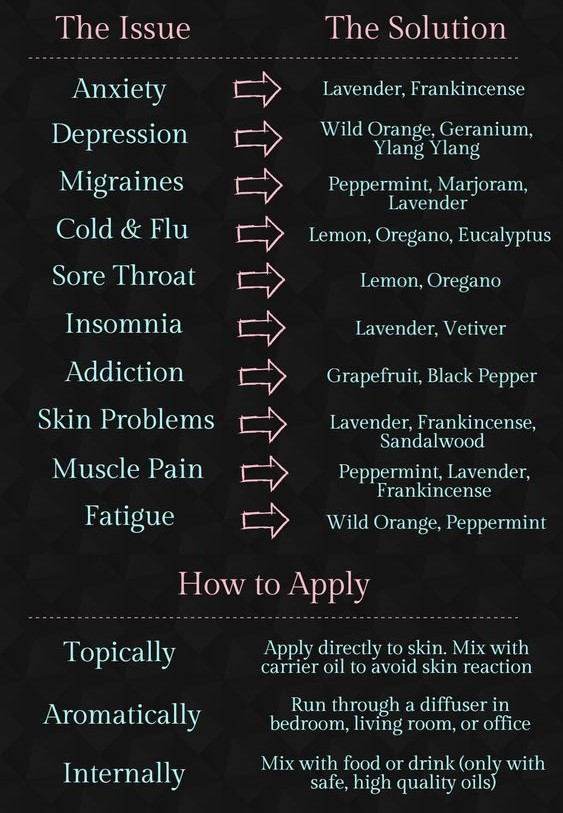

 Chuck Hudson, a friend of Daisy Luther of The Organic Prepper, who works at Roper St. Francis Healthcare, Roper Hospital in South Carolina takes time to write about
  Lower Valley Assembly