Forward Observer: The Importance of HUMINT

Chief intelligence analyst Sam Culper of Forward Observer has a post about the value of Human Intelligence (HUMINT), that is the intelligence gathered from other people rather than from radio signals, electronic information, or other sources, to neighborhood decision making during an SHTF situation.

Last month, I started reading Frontline Intelligence (1946), a guide for the new S2 — the military’s term for the intelligence officer.

What I like about these old intel books and manuals is that they paint a picture of what intelligence looks like without electricity and modern technology. (This manual is still talking about using gas lamps.)

It basically answers the question: How do people like you and I perform the work of the Neighborhood S2 in a worst case scenario?

If you’re reading this email, I presume one of two things: You actually ARE your neighborhood’s S2, or you’re interested in learning the skills.

Frontline Intelligence gives us a glimpse of what rudimentary Human Intelligence (HUMINT) looked like during World War II.

If you are operating in a friendly foreign company there will be, in addition to the organized allied forces, partisan groups, guerrillas, underground movements, and other sorts of patriots… Despite the fact that most textbooks ignore them, these people are extremely useful…

The author then tells the story of a group of Melanesians who later became pivotal for U.S. Forces in the Pacific.

The Japanese had impressed the island-fairing people into slavery to build fortifications. Over the course of two months, a small group of the Melanesian slaves secretly built a canoe, which they hid in some bushes, with the intention of escaping back to Allied territory.

Three of them managed to escape and, at the end of their 135-mile canoe trip, finally ran into Australian forces. The Australians quickly linked them up with an American Marine S2, where the escapees provided information to produce a detailed map of Japanese fortifications along the islands’ coasts.

It seems the same slaves that had built the Japanese system of fortifications were also the ones with some of the most detailed intelligence information about them!

So my question for you, the Neighborhood S2:

What human assets do you have in your community?

What individuals are willing or, with some coaxing or development, could become willing to share information with you, your preparedness group, your community security team, neighborhood watch, etc?

Let’s start with this simple step…(continues)

Click here to read the entire article at Forward Observer.


New AmRRON Videos

The American Redoubt Radio Operators Network (AmRRON) is a network of Preppers, Patriots and Redoubters who have volunteered to keep each other connected when other means of communications are unavailable or unreliable. It was originally formed to server only the Pacific NW states comprising the “American Redoubt” but has since spread across the nation and into Canada. Around 2014 they also merged with The American Preppers Radio Network. They have recently released several videos to explain a bit what they are but more what they are doing currently and planning to do in the future.

You don’t have to be an amateur radio operator to be a member or participant and membership is free. The communication plans include non-licensed radio services as well as amateur radio.

Zero Hedge: America on the Brink?

An alleged protester in Harrisburg, PA

From Zero Hedge, America On The Brink? Shocking Images Show “Pennsylvania Militia” Rolling Up To “Reopen America” Rally. Early in this pandemic, I noticed that people had stopped talking about civil war, which was rampant talk last year. As the lockdowns progressed, I began to wonder if the economic damage would knock down all the barriers that intelligence analyst Sam Culper of Forward Observer said would prevent widespread violence.

America could be standing on the edge of a revolution. Seriously, well, with National Guard troops deployed across the country, any uprising would likely be squashed.

We noted late last month that a “social bomb” was set to detonate over major Western cities. It was thought that the epicenter of unrest could begin deep within inner cities, such as those in Baltimore and Detroit, but that might not be the case.

It appears tensions are soaring among anti-quarantine protesters and state governments. The lockdown backlash started last Thursday in Lansing, Michigan.

Anti-quarantine rallies sprouted up across the country over the weekend, organized by right-wing groups that held rallies in Texas, Indiana, New Hampshire, Nevada, Maryland, Utah, Wisconsin, Washington, and Colorado.

Attempting to show force, some protesters wielded rifles, handguns, and shotguns, along with American flags, Betsy Ross flags, Trump signs and “Don’t Tread On Me” flags right up to the doorsteps of some state capital buildings.

The sight is absolutely stunning, but before we continue, we must understand the right-wing groups that organized the rallies are fed up with quarantine orders enforced by state governments to mitigate the spread of COVID-19. While it is open for discussion if the strict lockdowns were worth it, several things are evident, and why many of these protesters are angry, is that the economy has crashed into depression, 22 million jobs lost, businesses bankrupted, and hunger crisis unfolding. Combined this all together, and a perfect storm of unrest could be nearing.

While we could show you images of the latest rallies from across the country, that would be a bit too much. So, let’s focus on the “reopen” Pennsylvania demonstration on Monday (April 20). The location was Harrisburg, Pennsylvania, more specifically, at the Pennsylvania State Capitol Complex…(continues)

Click here to read the entire article at Zero Hedge.

AmPart: The Kung Fu Virus 2020 Victory Garden

Johny Mac at American Partisan talks about getting his 2020 garden started in The Kung Fu Virus 2020 Victory Garden. He’s in the cold zone 5, so while his dates for doing things may not apply to your zone if you’re in a warmer or colder zone, the things he does would be similar. You can find your zone on the USDA plant hardiness zone map, but you may also want to talk to a knowledgeable neighbor. You may live a micro-terrain that makes your garden area slightly warmer or cooler than what the official zone for your larger area is.

I am a man that believes in insurance so I invest in many different kinds; auto, boat, house, life, and food insurance come immediatly to mind. Yes food insurance and the way things are today with the Kung Fu Virus I am starting to wonder what will happen with food availability in the future. Well no worries, as I invest in food insurance by growing approximately 80% of our yearly need of vegetables in our garden.

I have written an article or two about this subject in the past and am being told to do it again by the good Lord. What I am going to share works for us in our area. I live in zone 5 which means that the last frost for my area is around May 21st. Nobody in my area plant above ground seedling’s till Memorial Day weekend because we have experienced frost up to that date. Just look at the photo header taken this past Saturday morning at 0700 hrs eastern.

Below ground vegetables like, carrots rutabagas, beans, etc can be planted around the end of April here. I reserve my raised beds, which I have three for early lettuce and radish crops because the raised beds soil is warmer and if there is going to be a frost I can cover those beds easily. The above mentioned vegetables I sow directly in the soil but because my farming season is so short, I start above ground seeds inside typically around St. Patrick’s Day.

I only use heirloom seeds and keep seeds from one year to the next. Folks in our group trade same specie seeds every year to keep the strain vibrant. I start out growing inside with tomato seeds then move to sweet peppers. The peppers seem to take the longest to germinate. Once I have those seeds started I move to cucumbers – Pickling and salad of course. I found the easiest way to start the seedling’s is to poke a hole is foam egg cartons, add potting soil, and place 1 to 2-seeds in each nook then cover with a light layer of soil. Then put the egg cartons in plastic trays under my growing lamps with cellophane over to keep the soil warm and moist which acts as a mini hot-house. Depending on variety, the seedling will start to show themselves after 7 to 14-days. Once the seedlings have sprung from the soil I remove the cellophane from the plants.

2020 Seedlings

Once the seedlings have lost their baby leaves I transplant the seedlings into Solo cups. I do not know why but the plants like the Solo cups to grow in. I keep the cups year after year so I get my moneys worth. The bottom of the Solo cups I perforate with my pen knife so they drain. Once the seedlings have 2-sets of leaves I only water the plants from the bottom. Since I have perforated the bottom of the cups I keep about 1/2-inch of water in the pan and they self water themselves. Doing this helps to develop a great root system. By the beginning of May, I move my trays of plants to a makeshift green house outside. At night I have an electric heater that has a thermostat to keep the temperature in the green house at around 68 degrees F. By mid May I do not use the heater anymore and allow the plants to harden.

Memorial Day Weekend 2019 – Seedlings Ready to plant

While this is going on I get the garden and raised beds ready for planting. In early April I rototill the garden. Once tilled I clean out the manure from the chicken coop. The manure collected in April is just enough to spread around the garden and till into the soil. Depending on the weather I hand turn the soil in the raised beds and toss my lettuce, radish, cilantro, and dill seeds onto the soil. The seeds are followed with a light raking to set the seeds. By Memorial Day we start to have fresh salads. If frost is predicted it is very simple to drag an old sheet over the plants to protect them.

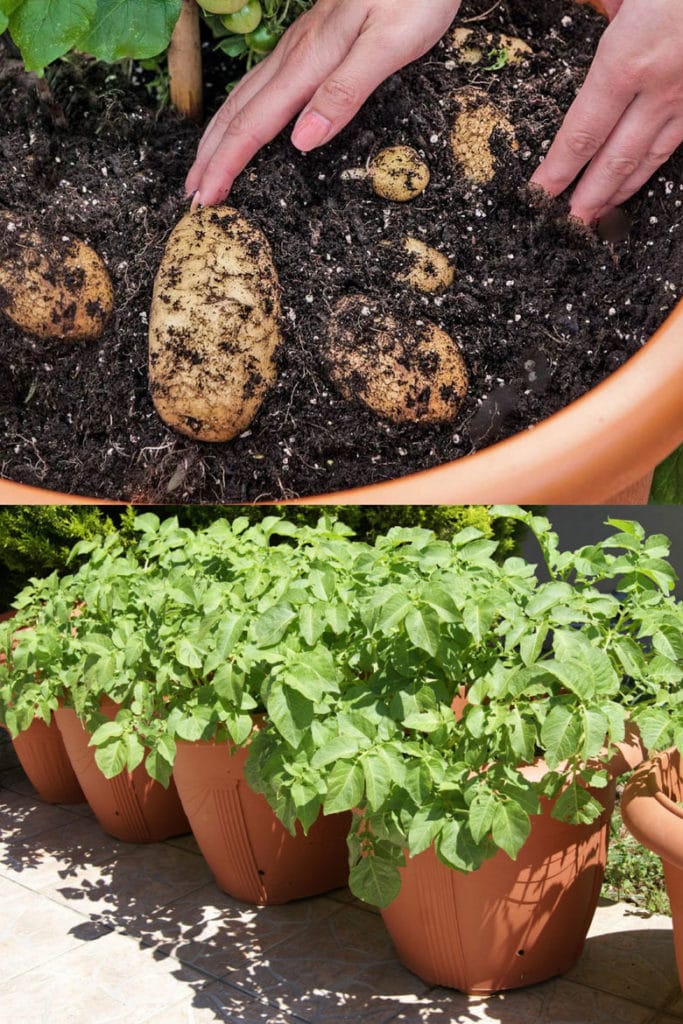
Right after I plant my salad seeds, I plant potatoes and rutabaga seeds. I use the tire method for the potatoes to make taking care of them a lot easier. The rutabaga seeds get planted about 6-inches apart and 1/2-inch deep. Then I cover the rutabaga seeds with two sheets of 50# 48″x 8′ newsprint paper with slits in the paper to match up with each row of rutabaga seeds planted…

Click here to read the entire article at American Partisan.

A Piece of Rainbow: Veggies & Herbs to Regrow from Table Scraps

Perhaps you are having trouble finding seeds to grow your survival garden. Some food can be grown from the scraps of food that you may already have on hand. A Piece of Rainbow has the article12 Best Veggies & Herbs to Regrow from Kitchen Scraps. If you do an internet search for “gardening with kitchen scraps” you will get a good number of web pages with similar titles. A Piece of Rainbow’s pictures seemed to be the easiest to understand with links to more detailed instructions. If you need more ideas on what scraps to use, then go ahead and hit that search link.

For a survival garden, or what the pandemic intarwebz are calling a victory garden, you want calories first and a balanced diet second. You’ll perish from a lack of calories long before you succumb to the illnesses associated with various vitamin and mineral deficiencies. With that in mind, the heavy lifters of garden calories are potatoes, beans, squash, and grains. You can include sweet potatoes and yams with regular potatoes. While potatoes, beans and squash are all covered to some extent in the articles on kitchen scrap gardening, most of the options are for greens. Those are great for vitamins, minerals, and variety of diet, but don’t yield a great many calories. But if you’re only supplementing other food supplies on hand, then they are a bonus.

If you’re really relying only or mostly on what you can grow, remember that there are a lot more edible and nutritious parts of garden plants than just the fruits and vegetables that you see in the store. Melon and squash seeds are packed with protein and some fats. Watermelon rind has some vitamin C and B6 as well as fiber. Zucchini stems can be cooked like penne pasta. The leaves of many plants are edible. Even some plants considered weeds by many are highly nutritious, like purslane. And if you’re lucky enough to be plagued with dandelions, the entire plant is edible from flower to root.

Click here to  read the entire article at A Piece of Rainbow.

Zero Hedge: It’s Not Just Toilet Paper, Seed Shortages Spread

Zero Hedge has an article on the growing seed shortage as Americans turn to growing their own food in response to supply chain problems – It’s Not Just Toilet Paper, Seed Shortages Spread As Locked-Down Americans Turn To Growing Their Own Food 
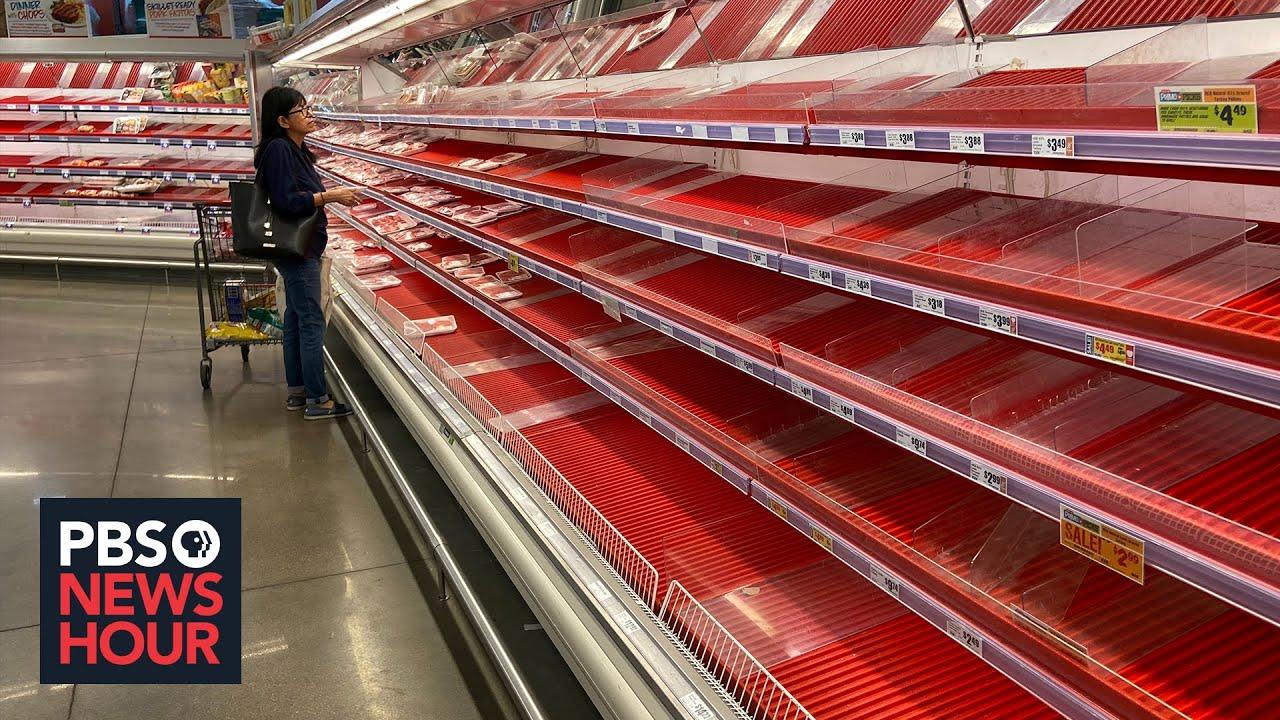
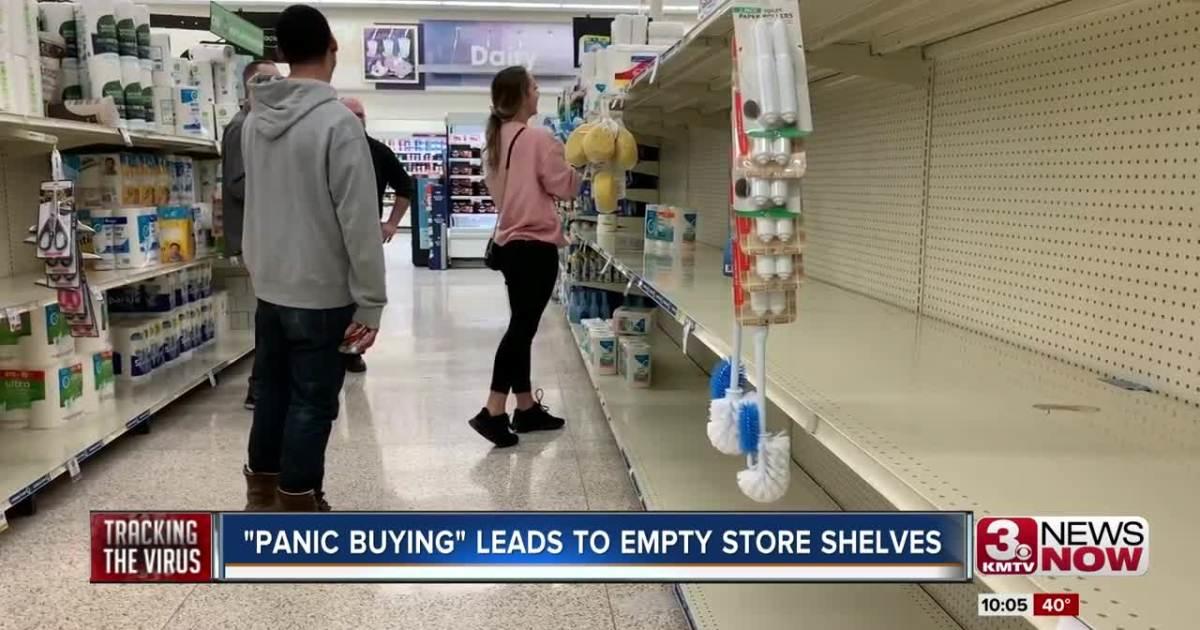
…Americans started buying 3M N95 masks in mid-January, then non-perishables in February, followed by toilet paper, hand sanitizer, and guns.

Now apparently, plant seeds are the next big thing…

Seed companies who spoke with CBS News said they have stopped taking new orders after unprecedented demand. George Ball, chairman of Pennsylvania-based Burpee Seeds, said the recent increase in new orders is “just unbelievable.” The company will start accepting orders again on Wednesday after it stopped taking new ones for several days to catch up on the backlog.

Americans in quarantine are becoming increasingly concerned about their food security. What has shocked many is that food on supermarket shelves that existed one day, could be completely wiped out in minutes via panic hoarding. Some people are now trying to restore the comfort of food security by planting “Pandemic Gardens.”

“If I had to put my thumb on it, I would say people are worried about their food security right now,” said Emily Rose Haga, the executive director of the Seed Savers Exchange, an Iowa-based nonprofit devoted to heirloom seeds.

 “A lot of folks even in our region are putting orders into their grocery stores and having to wait a week to get their groceries. Our society has never experienced a disruption like this in our lifetime.”

One of the most significant trends besides a crashed economy and high unemployment is that tens of thousands of Americans, mainly of the working poor, who just lost their jobs, are ending up at food banks. These facilities have reported surging demand, as a hunger crisis unfolds.

Today’s economic, health, and social crisis has made people realize that relying on supermarkets for food is not a safe bet. Some are now reverting to the land for survival.

Seed Savers Exchange noticed a surge in seed demand started in mid-March, the same time lockdowns across the country went into effect. The nonprofit has also halted new orders to catch up on the backlog.

“We received twice the amount of orders we normally receive,” the company said, adding it has had to hire more staff to deal with rising seed demand.

With America at war with coronavirus, the “Victory Gardens” our ancestors planted in WWI & II have now morphed into Pandemic Gardens. The surge in seed demand suggests a new trend of the 2020s is developing, one where reliance on corporations and government for survival are coming to an end for some people, as rural communities and living off the land is the safest bet in times of crisis…

Christian Prepper Gal: Has the Reality of It Hit You Yet?

Christian Prepper Gal asks if you’ve realized that you’re in a SHTF situation in Has the Reality of It Hit You Yet?
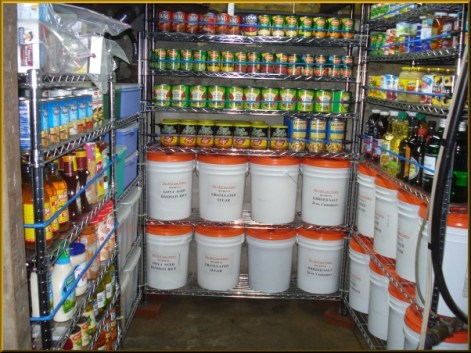
We are in the midst of a global pandemic. We are in the middle of a SHTF situation. I think for most preppers that is just now beginning to sink in. And, I’ve been amazed at the number of new preppers that have shown up in Facebook groups in the past month! The time to be prepared is NOW. And, I’m not just talking about being prepared with food and household essentials. Unfortunately, so many, and especially new, preppers think that is all they need to or have to do.

Last Fall (2019) I began to feel very strongly that it was time to stop trying to warn people of the need to be prepared. That it was time to make sure we had our own ducks in a row, and see to it that our own lamps were filled with oil. I even expressed to those around me that I felt like “something” was going to happen in 2020. And, by “something” I meant we were going to experience (as a nation) SH(ing)TF. And, guess what?!? It happened! I personally had thought it would be as a result of the election. But, apparently I was wrong. See? I can admit being wrong, from time to time, lol.

It is my belief that this SHTF scenario has just begun. We are all wanting it to be overwith quickly and for things to get back to normal. But, you know what? I don’t think it’s going to be overwith quickly, and I’m not sure things can ever be back to what normal was before the COVID-19 pandemic. I don’t mean to be a Debbie Downer, but I also don’t mean to give false hope to others, or myself. The reality of it is that there will be repercussions from our nation being essentially shut down. Even though the term has not been “officially” used as of yet here in the U.S., that is what has happened. We’ve already been shut down for close to a month, and it sure doesn’t look like things are going to be getting back to “normal” any time soon.

How are you reacting to all this?

First and foremost, we SHOULD NOT be reacting with fear. Especially as Christians. But, it’s easy to allow that to happen. Remember, though…

2 Timothy 1:7, For God hath not given us the spirit of fear; but of power, and of love, and of a sound mind. (KJV)

It is especially important to remember that right now, during this pandemic. We do not want to allow our minds to become the devil’s playground, do we? I know I don’t! But, if we allow fear to creep in, that is exactly what we’re doing.

How do we avoid or get rid of that fear? We read The Word of God. Romans 10:17, So then faith cometh by hearing, and hearing by the word of God. (KJV). If we read (hear) The Word of God, it drives out fear! How can you have faith and fear at the same time? You can’t! And, that’s why we need to build up our most holy faith. We need to saturate our entire beings with His Word! According to Johh 1:1, “In the beginning was the Word, and the Word was with God, and the Word was God. (KJV) Jesus is The Word. If we read what He said, in His Word, our faith will abound! And, faith expels fear! If we put our trust in Him, we will prevail and overcome fear.

There was one day a couple of weeks ago that I was so overcome with the negative from the news and social media that I had to play some contemporary worship music. I turned it up loud, and let it drown out all the negative in my mind and eyes. Then, I could put my mind and eyes back on Jesus.

We need to keep our eye on the prize. And, as Christians, our prize is eternal life with our Heavenly Father. So, if we keep our eyes on Him, we will win in the end!

Are you still denying it?

As I mentioned earlier, some (many) people (including preppers) are in denial. They truly think that our government will be able to take care of us and this is the worst that things will get. Some preppers don’t even realize that this is the SHTF that they’ve been preparing for! My thought is that the reason for that is they are only seeing the here and now. They’re not seeing what can and possibly will happen as a result of our nation being shut down.

Take a moment and let that sink in. Think about it. Our government has already put itself two trillion dollars in debt over this pandemic and that has only touched the surface. It will take much, much more than that to dig us out of this economic hole we are in. Do we have that much money and resources in reserve? Most likely not.

The economic downfall of the pandemic is just now beginning to be felt by many. What is going to happen when the food and resources begin to run out? What’s going to happen when parents cannot provide for their families? It will hit those with the lower incomes first. And, we are on the brink of that happening as I write. And, we are only in the beginning; one month since the declaration of this being a pandemic. We have a long way to go before we can even begin recovery. The virus hasn’t even been stabilized yet; it could take up to 18 months or longer to develop a vaccine. Our government is trying to help us and prevent things like chaos as a result of looting and rioting from happening. But, it’s not all up to only them…(continues)

Click here to read the entire article at Christian Prepper Gal.

Jamie Cooks It Up: Food Storage and Recipes

40 Food Storage Recipes and Food Storage/Pantry Staple Lists is an older blog post from Jamie Cooks It Up! It talks about what kinds of foods to have as staples and for long term storage, and then links to a bunch of storage recipes (also on her site) for using those foods. Maybe you bought up a bunch of food storage early in this pandemic and aren’t sure what to do now. Maybe you’re looking at the supply chain woes and wondering what you need to get through the rest of year. Jamie Cooks It Up also posts a “week menu plan” each week with one meal per day for the week.

I’ve been getting a lot of emails lately regarding food storage, and pantry staples. 

“What do you keep stocked in your kitchen, what are some fabulous food storage recipes, Where should I buy my food storage and What can I feed my family if I can’t go to the store for 3 weeks in a row”. These are just a sampling of the questions posed.  

Now, I am by no means a food storage specialist, however I thought I would put together a few tips, lists and recipes together for you regarding the subject. Please know that the advice I am giving here is just from my own personal experiences, and not the only tried and true method around. If you have some food storage advice, I would love you to leave it in the comment section for others to view. 

Acquiring a substantial food storage can be overwhelming, I realize. The intention of this post is not to cause you stress or grief or feelings of extreme anxiety. When I was newly married, some 18 years ago, I remember coming across an article in a magazine that had to do with organizing a kitchen and what spices a person should  purchase. After taking one glance at the list I tossed it in the trash and thought to myself…”there is no way I’ll EVER be able to acquire all of those things, I wonder how long we can live on cupboard lint.”

It’s true. Those were my very thoughts. 

However, I learned as I’m sure many of you have, that it just takes a little bit of time, effort and financial planning and a well stocked kitchen can be attained. The same is true of obtaining a useful supply of food storage. You don’t need to spend 1 million dollars or build an underground bunker storing 95 years worth of food to be successful. 

Alright, let’s get to it. If you are already a food storage pro, and are just looking for the 40 Food Storage Recipes promised, please scroll to the bottom of the post and enjoy. 

WHY IN THE WIDE WORLD SHOULD I STORE EXTRA FOOD?

As a means of being prepared for difficult circumstances, such as job loss, natural disasters or an economic downturn. 


WHAT KIND OF FOOD SHOULD I STORE? 

You should store food that your family regularly eats, that also has at least a 3 month shelf or freezer life. Baking supplies, spices and seasonings, canned goods, as well as frozen vegetables, fruits, meat and poultry. (Lists found if you keep scrolling down.)

Expensive Freeze Dried Food is not really my cup of tea. I may regret not purchasing it if the continents end up colliding and I am forced to dig a hole in my back yard and eat tree roots to survive. Truly. I may regret it at that point. But for now, stocking and storing a 6 month to 1 year supply of real food my family regularly eats is my course of action. 

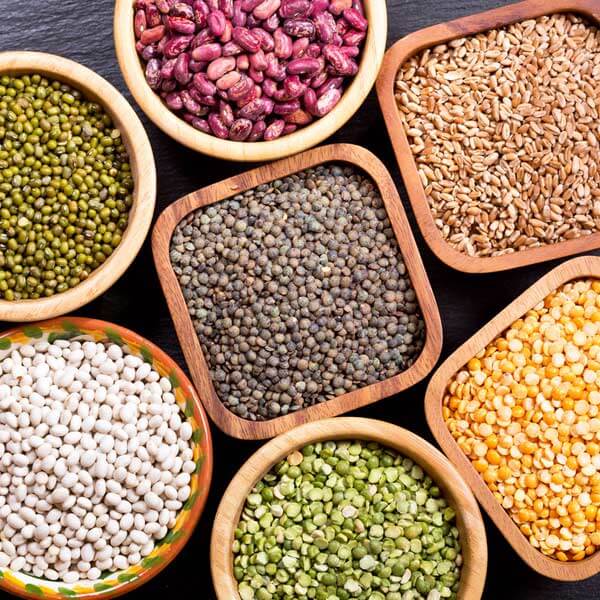
Store some long term food storage items such as hard winter wheat, rice, dried beans, etc. I try to keep about a 3 year supply of these things. (Keep scrolling down for a complete list). They are inexpensive, healthy and if stored properly they have a 30 year shelf life! That is a long old time, wouldn’t you agree? I keep these items in large, sealed, 5 gallon buckets (they can accommodate about 40 pounds). I don’t have a big food storage room so I just stick them here and there, which really means my kids all have 3 or 4 buckets in the bottom of their closets. But they don’t mind, they would rather eat rice and beans than tree roots…or so I keep telling them…

LONG TERM STORAGE:

*Hard White Winter Wheat
Dried White Beans
Dried Black Beans
Dried Kidney Beans
Lentils
* White Rice
Brown Rice
*Steel Cut Oats

40 FOOD STORAGE RECIPES
The recipes I have listed for you below, are recipes that primarily use food storage staples as ingredients. You may need a fresh egg, some milk, butter or cheese for some of them, but I tried to keep the list as food storage friendly as I could…
Moogie Mush, cracked wheat cereal

Total Time: 17 minutes

Yield: 8 servings

Ingredients

4 C hot water
1/4 t salt
1 1/2 t vanilla
3/4-1 C raisins
2 1/2 C cracked wheat (I buy White Winter Wheat and then crack it in a blender)
1/4 C brown sugar
20 packets of splenda

Instructions

1. Crack your wheat in a blender. Don’t add more than about 2 cups at a time. It should be the right texture after about 4 minutes.
2. Combine the water, salt, vanilla and raisins in a sauce pan and bring to a boil.
3. Turn down the heat to low and stir in the wheat. The wheat tends to clump up a bit. Break the clumps up with a wooden spoon.
4. Add the sugar and splenda and stir to incorporate.
5. Cover the sauce pan, turn off the heat, and let it sit for 10 minutes. (Keep it on the warm burner)

Independent: WA Gov. Inslee Says Trump “Fomenting Domestic Rebellion”

In a classic case of the pot calling the kettle black, Washington Governor Jay Inslee on Friday accused President Trump of fomenting domestic rebellion for daring to plan for the reopening of states. This despite Governor Inslee’s own efforts throughout his tenure as governor to destroy the liberties and property enjoyed within his own state, creating an antagonistic divide between Eastern and Western Washington.  Inslee accuses Trump of “anti-democrate rhetoric” while his own actual actions have been dictatorial in nature – executive orders with no representative approval.

Jay Inslee, governor of Washington State, has accused President Donald Trump of “encouraging illegal and dangerous acts.”

In a statement released on Friday afternoon, the governor said the president’s “unhinged rantings” could lead to violence and were “fomenting domestic rebellion”.

He also warned that the president was putting millions at risk of contracting the coronavirus.

The governor was responding to the Mr Trump’s comments earlier on Friday about “liberating” parts of the country from lockdowns put in place to stem the spread of the Covid-19 pandemic.

Mr Inslee says that while on Thursday the president stood alongside White House officials and public health experts, saying that science would guide his plan for easing restrictions, with sensible guidelines to resuming economic activity, “Less than 24 hours later, the president is off the rails.”

“He’s not quoting scientists and doctors but spewing dangerous, anti-democratic rhetoric.”

(continues)

See also We the Governed: A good day for a little rebellion against Washington Governor Inslee

Liberty Blitzkrieg: What Are You Gonna Do About It?

Michael Krieger of Liberty Blitzkrieg has posted an article government not letting a good crisis go to waste, the failure of mass movements to take hold for change, and asking What Are You Gonna Do About It?

Tucked into the recent recovery bill was a provision granting the Federal Reserve the right to set up a $450 billion bailout plan without following key provisions of the federal open meetings law, including announcing its meetings or keeping most records about them, according to a POLITICO review of the legislation.

The provision further calls into question the transparency and oversight for the biggest bailout law ever passed by Congress. President Donald Trump has indicated he does not plan to comply with another part of the new law intended to boost Congress’ oversight powers of the bailout funds. And earlier this week, Trump dismissed the government official chosen as the chief watchdog for the stimulus package.

The changes at the central bank – which appear to have been inserted into the 880-page bill by sympathetic senators during the scramble to get it approved — would address a complaint that the Fed faced during the 2008 financial crisis, when board members couldn’t easily hold group conversations to address the fast-moving economic turmoil.

The provision dispenses with a longstanding accountability rule that the board has to give at least one day’s notice before holding a meeting. Experts say the change could lead to key information about the $450 billion bailout fund, such as which firms might benefit from the program, remaining inaccessible long after the bailout is over.

The new law would absolve the board of the requirement to keep minutes to closed-door meetings as it deliberates on how to set up the $450 billion loan program. That would severely limit the amount of information potentially available to the public on what influenced the board’s decision-making. The board would only have to keep a record of its votes, though they wouldn’t have to be made public during the coronavirus crisis.

A Fed spokesperson did not comment on the changes in the law or whether the Fed would continue keeping records of its meetings.

– Politico: Recovery Law Allows Fed to Rope off Public as It Spends Billions

An era can be said to end when its basic illusions are exhausted.

– Arthur Miller

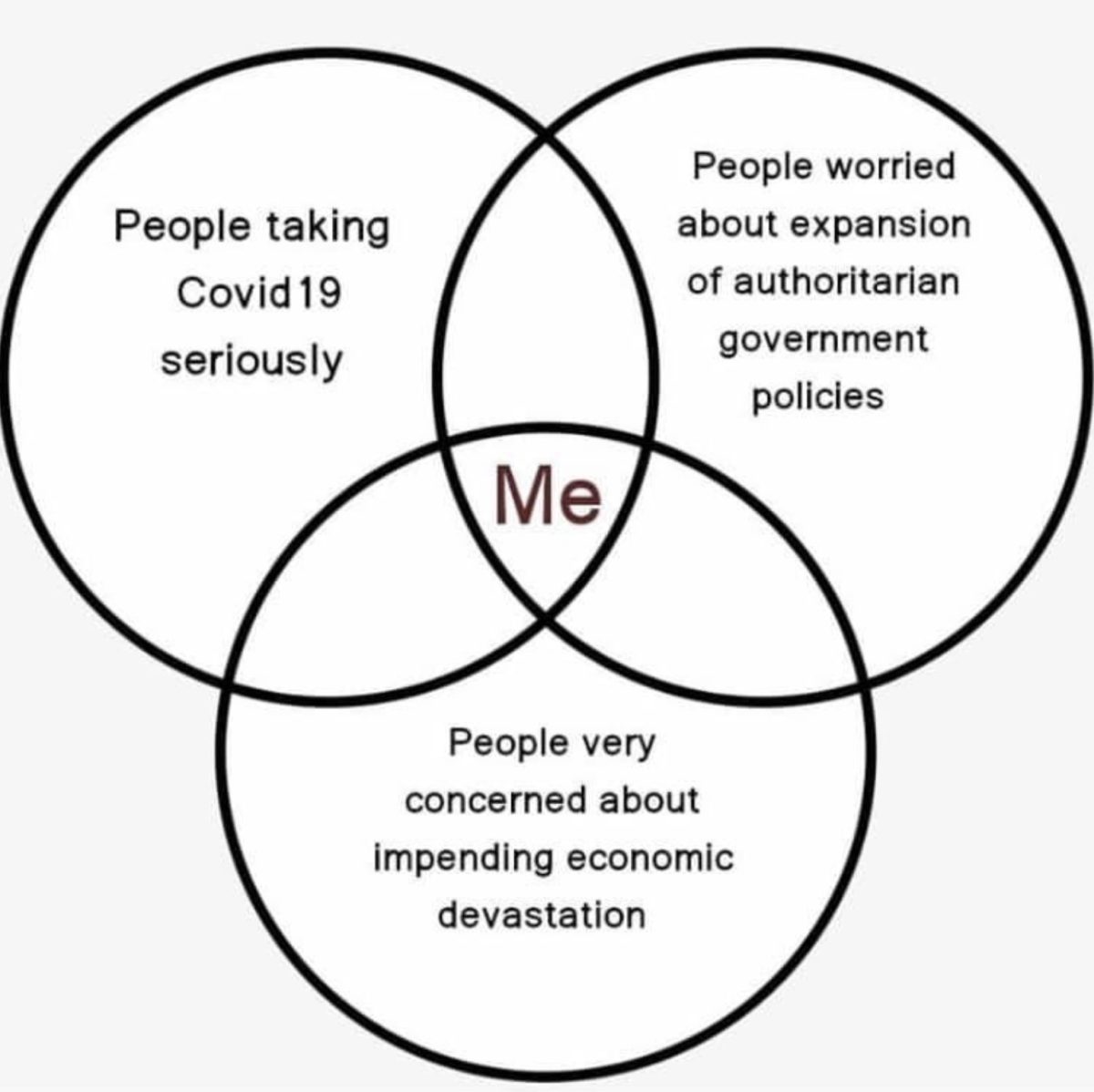
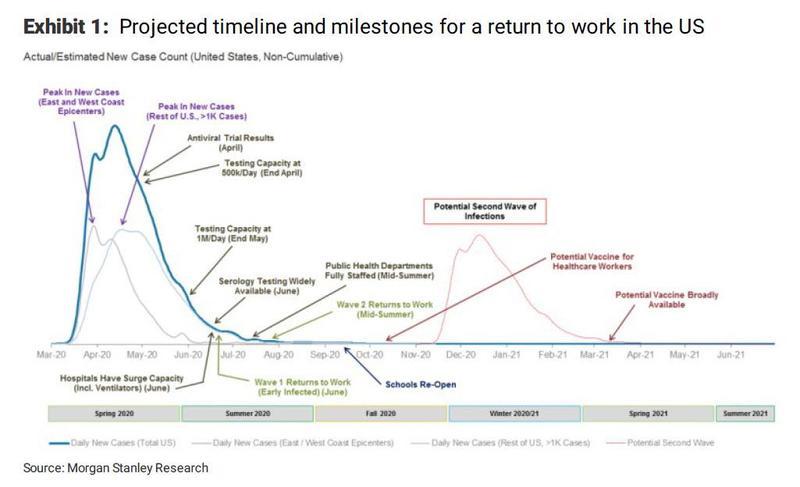
Before going any further, I want to share a graphic that accurately summarizes my position on the current pandemic affecting the world.

Unfortunately, it’s quite common for many to latch on to one of these conclusions and singularly obsess about it to the detriment of the others, when we need to be thinking about all three simultaneously.

It’s absolutely critical we understand governments throughout the world are rapidly mobilizing to use the crisis as an excuse to extract more wealth from society and condition the public to relinquish more precious civil liberties. The response in my own imperial oligarchy masquerading as a country has been particularly grotesque. A government that told us masks don’t work and couldn’t roll out testing for weeks, is now responding with the worst of both post-9/11 and post-financial crisis responses. The idea of representative government or democracy in America is a complete myth. The interests and desires of the people are irrelevant, and our economic system can be best described as financial feudalism.

We’ve seen this movie before. The U.S. government and Federal Reserve used major crises to consolidate wealth and power twice before this century, and it’s happening again. They got away with it before — and they’re getting away with it now — because the public accepts it. I hate to write that, but it’s true. People will tell me the public has no way to fight back, but that’s not accurate. The public hasn’t even tried historical methods like mass strikes and boycotts, instead they’ve been successfully neutered by phony red/blue team mainstream politics, through bickering about marginal issues like pronouns and bathrooms, and by endless entertainment and debt-based consumption. This is why the oligarchy keeps winning. Americans aren’t a serious people yet.

Witnessing the massive theft and power consolidation during the financial crisis a decade ago shook me to my core. I learned so much about how the world really works I simply couldn’t go on in the same way, so I quit my finance job and moved out of NYC. I was convinced such in your face theft would lead to effective popular movements and that the people would discover their power and take direct action, but I was wrong. Rather than economic populism transcending other differences to become ascendant and potent, most Americans were successfully shoved back into convenient political boxes easily managed by oligarchy. The rest is history…(continues)

Click here to read the entire article at Liberty Blitzkrieg.

Organic Prepper: 11 Delicious Ways to Use Dry Beans from Your Storage

A week ago, we posted an article on cooking the dry beans from your food storage. Here’s one from The Organic Prepper that has recipes for using those beans in ways you may not have thought previously – 11 Delicious Ways to Use Those Dry Beans You Stockpiled. The author, Diane Vukovic, is also the author of the book Disaster Preparedness for Women.

Dry beans are one of the best disaster foods to stockpile. They are nutritious, cheap, and last for years when stored properly. But then disaster strikes and you suddenly have to figure out how you are going to use all of those beans. Eating rice and beans gets boring quickly!

I’m lucky because my family already eats beans almost daily. So, when COVID-19 struct and we tapped into our food stockpiles, our diet didn’t change much. Here are some of the bean recipes my family is eating now. Even my kids like most of these.

Tip: When building up your disaster food stockpile, think about how you will use the foods in meals. Otherwise, you could end up with a lot of foods you don’t like. Or you might end up with disproportionate amounts of food, like 30lbs of pasta but not sauce to go on it.

In my book Disaster Preparedness for Women, I show exactly how to plan a food stockpile so you can make healthy, balanced meals. The book also covers all the preparedness essentials so you are ready for anything. Get the book here.

Here are 11 tasty ways to use dried beans

Try these delicious dried bean recipes.

1. Red Bean Pasta Sauce

This disaster recipe couldn’t be easier. Just blend (or mash) 1 cup of cooked pinto beans with 1 cup of tomato sauce to make 4 generous servings. Add seasonings like salt, basil, and oregano to taste. Serve over pasta.

2. Chickpea Nuggets

Of all the beans, chickpeas are the most kid-friendly. They also don’t have as much water as other beans, so are easier to form into burgers, balls, or nuggets. I like this recipe which uses oats to hold the nuggets together. If you don’t have breadcrumbs or cornflakes you can just use more blended oats for the coating. You can also omit the nutritional yeast.

3. White Bean and Olive Oil “Alfredo” Sauce

Here’s another easy bean sauce for pasta. Just blend (or mash) 1 cup of cooked white beans and ¼ cup of olive oil or butter to make the base. Add salt, pepper, garlic powder, onion powder, parmesan, and a splash of lemon juice to make a delicious creamy sauce for pasta.

*You can also sneak this sauce into mac n’ cheese so your kids get more protein without even realizing it.

4. Lentil Bread

Whenever I make bread, I sneak in some extra nutrition. How? I add things like blended kale, pulverized dried mushrooms, or bean puree. The bread comes out great and my kids eat it up.

To make, remove about ½ cup of water from your bread recipe and replace it with ½ cup of bean puree. If the dough ends up being too wet, add more flour…

5. Bean Burgers and Sausages

Beans and lentils can easily be turned into burgers or sausages. All you need to do is:

  • Make sure the beans are drained very well or the burgers will fall apart. Lentils are particularly wet so I’ll squeeze them by hand to remove the water.
  •  Pulse in a food processor with some cooked veggies and seasonings. If you have egg, add an egg to the mixture.*
  • Add oats, breadcrumbs, or flour (oats and breadcrumbs work best because they absorb moisture and hold the burgers together well). Keep adding until you form a mixture that sticks together.
  • Form into burger or sausage shapes. Bake or fry.

*Egg acts like glue to hold the burgers together. If you don’t have egg, you can usually just omit the egg and the recipe will still work. Another option is to use flax or chia seeds instead of egg. These become a bit like glue when wet and do a good job of holding burgers together. I’ve got a massive stockpile of flax at home specifically for this purpose!

6. Black Bean Brownies

I know this one probably sounds weird, but you can’t taste the black beans the brownies at all. It ends up being a protein-packed treat and your kids don’t even realize they are eating beans. I like this recipe which is simple to make with disaster staples…(continues)

Click here to read the entire article at The Organic Prepper.

Technology Review: Waiting for the Big One, then Coronavirus Arrived

MIT Technology Review has a good article about community preparedness on the Oregon Coast in They were waiting for the Big One. Then coronavirus arrived. The article’s subtitle is Can being ready for one kind of disaster prepare you for another?

Linda Kozlowski’s neighbor wanted to know if she needed anything from Walmart. It wasn’t a quick trip into town; the drive from the Oregon coast to Portland took two hours. But because of her age, Kozlowski, a 77-year-old retiree, might be at risk from covid-19. Perhaps there would be hard-to-find goods, like hand sanitizer. She thought for a moment and asked for bread, pasta, and toilet paper.

Helping senior citizens is a neighborly thing to do, especially in the middle of a pandemic. But in Manzanita, where Kozlowski lives, joint grocery runs are part of a detailed disaster preparedness plan that Kozlowski herself introduced to the town 13 years ago. Back then, it wasn’t a disease they were concerned about, but a storm that helped locals realize exactly how vulnerable they were to power outages, floods, and landslides.

The Oregon coast is a harsh, unforgiving place where mundane outings can quickly turn deadly. This past January, Jeremy Stiles and his two young children, Lola and William, were swept out to sea by a sneaker wave while hiking north of Manzanita. Lola died at the hospital. William’s body was never found. (Jeremy recovered from hypothermia.)

Until recently, though, the main thing most residents were preparing for was a combined earthquake and tsunami they nicknamed The Big One. The Cascadia Subduction Zone fault line stretches from Vancouver Island in Canada to Cape Mendocino, California. The last Cascadia earthquake occurred in 1700, and scientists have predicted that one will occur every 300 to 600 years. When it hits, the region will be devastated.

So Kozlowski had helped the neighborhood get prepared. She’d followed advice, called a meeting, and identified who had first aid skills, who had generators, who had a chainsaw. She’d organized a spot for everyone to rendezvous if things went bad. Sure, she’d created the disaster plan in case there was a tsunami. But it meant that when the coronavirus pandemic hit, Kozlowski and her neighbors already knew exactly how to lean on one another.

The majority of Americans are not ready for disaster. A 2016 survey conducted by Columbia University’s National Center for Disaster Preparedness found that 65% of households reported having no or inadequate plans to survive a catastrophe. Forty-one percent of households said they weren’t confident their communities knew what to do if disaster struck unexpectedly. And yet, in the face of coronavirus, preparation has become urgent in a whole new range of ways to a whole new range of people. Lockdowns and shelter-in-place orders have paralyzed communities, shut down businesses, and led to panic buying. If the nation was generally unprepared for disaster, it was even less ready for this particular flavor of emergency.

“Are we prepared as a country? I don’t think so,” says Irwin Redlener, the director of the Columbia center. “The fact is, the studies we have done that have to do with individual preparedness have been extremely depressing…”

Kozlowski…organized residents to get trained. Then came the portable, handheld emergency radio operators and those familiar with ham radio. Today, every Thursday at 6 p.m., they call in to a centralized channel called the Net (the operation center is the firehouse), say who they are, and listen to what’s called an “educational moment,” about something like how to get to an assembly site. Last year there were 2,701 total check-ins.

In 2008, Kozlowski expanded from Manzanita to two other local towns, covering some 2,000 people, and formed the volunteer corps. Most of its money comes from local fundraising and from the fire department. Her budget is small—even if it has risen from $4,000 to $12,000—but the corps offers classes in emergency radio, WaSH (water, sanitation, and hygiene), and managing chronic illness in austere conditions. The closest hospital is 40 minutes away, so the corps also has a medical reserve made up of local doctors, nurses, vets, and physical therapists. Kozlowski says this training has all helped them deal with coronavirus. “We’ve been talking about ‘How do you wash your hands?’ for a long time,” she says. “Because after a disaster, the last thing you want to do is get diarrhea.”

Kozlowski’s efforts were soon mimicked around the coast. Sharon Kloepfer, a CERT volunteer in Gearhart, another coastal town, told me Manzanita has “blown away every other community as far as preparedness.” In Rockaway Beach, a strip of land south of Manzanita, David Elkins is trying to copy Kozlowski after taking her volunteer corps classes. He was told the city didn’t have any money to hire an emergency manager, so he rallied 25 residents who are now trained in first aid, lost-person search, and small-fire suppression…

Click here to read the entire article at Technology Review.

Gold Telegraph: Global Food Supply Chains Beginning to Erode, Crisis Looms?

From The Gold Telegraph – Global Food Supply Chains Beginning to Erode, Crisis Looms?

…One would begin to believe history might not be repeating itself, but it is undoubtedly starting to rhyme. During the great depression of the 1930s, the hardest-hit industry was farming. Farm incomes dropped by nearly two-thirds at the beginning of the 1930s. Dairy farmers dumped countless gallons of milk into the street instead of accepting a penny a quart.

During World War 1, farmers had produced record crops and livestock to keep everyone fed. However, when prices started to fell, they tried to harvest even more to pay their debts and living expenses. In the early 30s, prices dropped so low that many farmers went bankrupt and lost their farms. In some cases, the price of a bushel of corn fell to just eight to ten cents. Some farmers even began burning corn rather than coal in their stoves because corn was cheaper.

However, there is a dramatic difference today. Prices are not dropping; in fact, grocery bills are getting more expensive by the day. Supply chains are being disrupted due to the transportation and of course processing of a vast selection of foods.

As we are beginning to learn, the country where the coronavirus started, China, may now be facing a food crisis. The country has just reopened its economy as the communist regime has even claimed a coronavirus victory.

However, there was a leaked government document made public last Thursday that shows that government officials have been planning for a shortfall in food supplies.

The document, dated March 28, was drafted following a meeting which was called to make special arrangements for food security.

“The State Party Committee and the state governments and counties and cities must do everything possible to transfer and store all kinds of living materials such as grain, beef, mutton, oil and salt through various channels,” the document said, according to a report from Radio Free Asia

The document also calls for the “mobilization of the masses to consciously store grain and ensure that each household reserves between 3 and 6 months of grain for emergencies…”

Click here to read the entire article at The Gold Telegraph.

Our Finite World: Economies Won’t Be Able to Recover After Shutdowns

Gail Tverberg of Our Finite World writes about the difficulties of recovering our businesses in Economies Won’t Be Able to Recover After Shutdowns. It’s much easier to close businesses than to start them up again.
Citizens seem to be clamoring for shutdowns to prevent the spread of COVID-19. There is one major difficulty, however. Once an economy has been shut down, it is extremely difficult for the economy to recover back to the level it had reached previously. In fact, the longer the shutdown lasts, the more critical the problem is likely to be. China can shut down its economy for two weeks over the Chinese New Year, each year, without much damage. But, if the outage is longer and more widespread, damaging effects are likely.

A major reason why economies around the world will have difficulty restarting is because the world economy was in very poor shape before COVID-19 hit; shutting down major parts of the economy for a time leads to even more people with low wages or without any job. It will be very difficult and time-consuming to replace the failed businesses that provided these jobs.

When an outbreak of COVID-19 hit, epidemiologists recommended social distancing approaches that seemed to be helpful back in 1918-1919. The issue, however, is that the world economy has changed. Social distancing rules have a much more adverse impact on today’s economy than on the economy of 100 years ago.

Governments that wanted to push back found themselves up against a wall of citizen expectations. A common belief, even among economists, was that any shutdown would be short, and the recovery would be V-shaped. False information (really propaganda) published by China tended to reinforce the expectation that shutdowns could truly be helpful. But if we look at the real situation, Chinese workers are finding themselves newly laid off as they attempt to return to work. This is leading to protests in the Hubei area.

My analysis indicates that now, in 2020, the world economy cannot withstand long shutdowns. One very serious problem is the fact that the prices of many commodities (including oil, copper and lithium) will fall far too low for producers, leading to disruption in supplies. Broken supply chains can be expected to lead to the loss of many products previously available. Ultimately, the world economy may be headed for collapse.

In this post, I explain some of the reasons for my concerns.

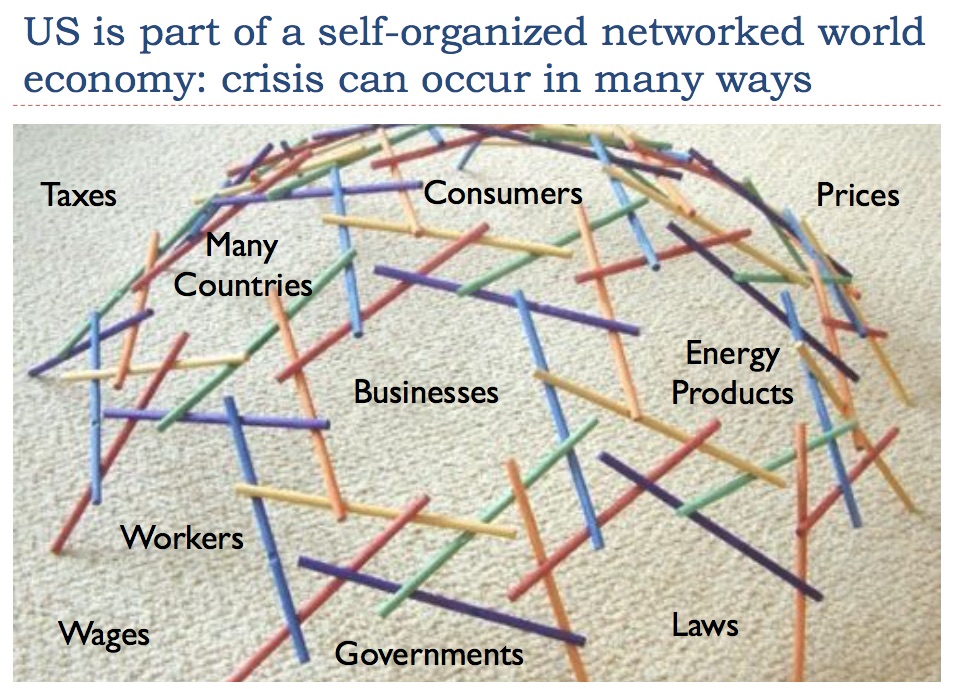
[1] An economy is a self-organizing system that can grow only under the right conditions. Removing a large number of businesses and the corresponding jobs for an extended shutdown will clearly have a detrimental effect on the economy. 

Figure 1. Chart by author, using photo of building toy “Leonardo Sticks,” with notes showing a few types of elements the world economy.

An economy is a self-organizing networked system that grows, under the right circumstances. I have attempted to give an idea of how this happens in Figure 1. This is an image of a child’s building toy. The growth of an economy is somewhat like building a structure with many layers using such a toy…

Click here to read the entire article at Our Finite World.


FFF: Republicans Are Now Good for Exactly…Nothing!

The Future of Freedom Foundation writes about how the Republicans no longer understand the economy in Republicans Are Now Good for Exactly…Nothing!

Nancy Pelosi, Chuckles Schumer and the rest of the Dem wrecking crew surely have the Trumpified GOP by the short hairs.

The latter are clueless about the real imperative, which is to halt the senseless shutdown of the US economy ASAP. So like deer caught in the headlights of public fear, outrage and hurt by the Covid Quarantines, they have blindly succumbed to bailing out one and all; and that, in turn, has opened the US Treasury to a congressional feeding frenzy that would make the New Deal porkers, the LBJ spenders and the Obama shovel-ready folks green with envy.

In less than a month, they have passed the $8.3 billion vaccine bill, the $100 billion relief and paid leave package and the $2.2 trillion Everything Bailout, and are now racing toward another $1.0 trillion interim CARES 2 funding bill to essentially double- down on all the outrageous pork and Free Stuff that was contained in CARES 1, which the House did not bother to even debate or approve by recorded vote.

And, alas, all of this is preliminary to the impending “stimulus/infrastructure” bill where the bidding starts at $2 trillion, meaning that the Imperial City is in the throes of a fiscal bacchanalia that defies imagination. It will leave America with unspeakable debts, political dysfunction and economic debilitation for years, if not decades, to come.

And exactly what is being loaded on the budgetary wagon while the denizens of the political party which is supposed to be the watchdog of the Treasury have their collective snouts buried in the public trough so deep that they too will need a respirator before long?

Well, it’s bad enough that Republicans voted for $1200 per person for upwards of 130 million workers who have not and will not loose their jobs and incomes owing to the covid shutdown, even if an unfortunate 30 million do become unemployed for a few weeks at the peak of the shutdown.

But if you ask what possible reason of policy or equity could justify this $300 billion eruption of Free Stuff, the best you can get is some kind of convoluted Keynesian asininity that is even more absurd than the old standby of hiring people to dig holes with teaspoons and then fill them back up with the same tools.

To wit, we are apparently giving the 130 million workers who are and will still be earning the same paycheck but spending far less because everything is closed (you can only spend about $25 per day on Netflix even if you watch movies dawn till dusk) another $1200 to spend on top of their normal income. Then, assuming they can find a place which is open to spend their extra loot, it is hoped such places will hire the 30 million covoid-layoffs so that they too will get back to living hand-to-mouth just like before.

Folks, once upon a time—even in the 1970’s when your editor arrived bright-eyed and bushy tailed on Capitol Hill—Republicans understood fundamental capitalist economics. They did not even have to be told there are no free lunches and that Uncle Sam cannot create production and income (i.e. wealth), but only shuffle it among citizens by taxation currently or by extracting it in the bye-and-bye from future taxpayers via piling up the public debt.

Click here to read the entire article at FFF.org.

See also Mises Institute: Why Keynesians Don’t Want You to Save Your Money